
How Organic Produce Stores Are Changing What Ontario Farmers Grow
An organic produce store is a retail shop dedicated primarily to selling certified organic fruits, vegetables, and often other natural products, offering consumers a curated alternative to conventional grocery stores where organic options may be limited or scattered across aisles. These specialty stores source directly from certified organic farms, prioritize seasonal and local harvests when available, and typically employ staff knowledgeable about growing practices, sourcing, and preparation.
For Ontario shoppers, organic produce stores serve as community hubs connecting urban consumers with the province’s growing network of certified organic farms. While farmers’ markets operate seasonally and on limited schedules, these year-round storefronts provide consistent access to organic produce alongside value-added products like preserves, baked goods, and dairy from local producers. Some stores enhance the shopping experience with services like personalized consultations, loyalty programs offering member discounts, and convenient pickup or delivery options that have become standard since 2020.
The case for visiting an organic produce store often comes down to three factors: product selection depth, transparency about sourcing, and support for regional agriculture. Unlike conventional grocery chains that stock organic items alongside conventional produce, dedicated stores build their entire inventory around certified organic standards. Many display farm names and harvest dates, and some use regional identification programs to help shoppers support nearby growers. You’ll find stores ranging from neighborhood co-ops with community ownership structures to independent shops emphasizing ultra-local supply chains.
Whether an organic produce store fits your routine depends on proximity, budget flexibility, and how much you value knowing where your food originates. Ontario’s landscape includes both options, from Toronto storefronts to smaller community operations across the province.
What Makes an Organic Produce Store Different

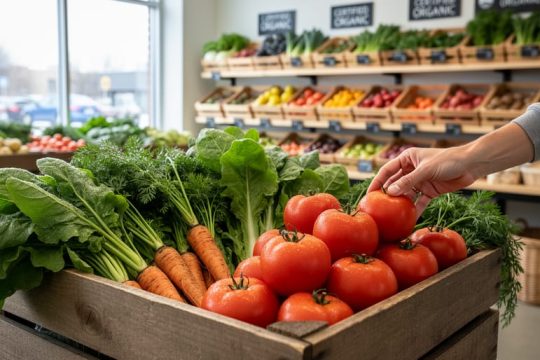
Walk into a standalone organic produce store and you’ll notice the difference immediately. These specialized retailers dedicate their entire floor space to organic products, creating an environment focused exclusively on certified organic produce, bulk goods, and natural products, rather than relegating organic items to a single aisle within a conventional supermarket.
The format itself shapes the shopping experience. Stores like Natural Grocers build their business model around a neighborhood grocer approach, typically operating in smaller footprints than big-box competitors. This allows them to focus on curating selections rather than overwhelming shoppers with endless options. You won’t find conventional produce competing for shelf space, which means staff can develop genuine expertise in organic sourcing and seasonal availability.
Several features set these stores apart from the organic sections at conventional grocers:
- Direct sourcing relationships with certified organic farms, often local or regional
- Free personal shopping services to help customers navigate product choices and dietary needs
- Membership programs offering exclusive discounts and wellness-focused benefits
- Transparent labeling systems that identify local sources (similar to BC’s Buy BC logo program)
- Educational resources about seasonal produce and farming practices
Loyalty programs add another layer of value. Natural Grocers runs its {N}power membership, which provides members-only discounts, newsletters with seasonal recipes, and advance notice of special promotions. Other stores have adopted wellness Wednesday concepts, offering 10-15% savings on specific product categories to reward regular customers.
The shopping experience extends beyond the physical store. Many organic retailers now offer app-based pickup and delivery options, mirroring what food co-ops have implemented to serve busy families. This convenience factor matters when you’re trying to support local agriculture but juggling work and family commitments.
In Ontario, you’ll find examples of this model taking root in various neighborhoods. Six Points Plaza in North York, Toronto, houses an organic produce store serving the local community, demonstrating how these specialized retailers are establishing themselves across the province’s urban centers. These stores complement rather than replace farmers’ markets, giving Ontario growers another consistent channel for their certified organic crops.
The Farm-to-Store Connection Ontario Growers Are Building
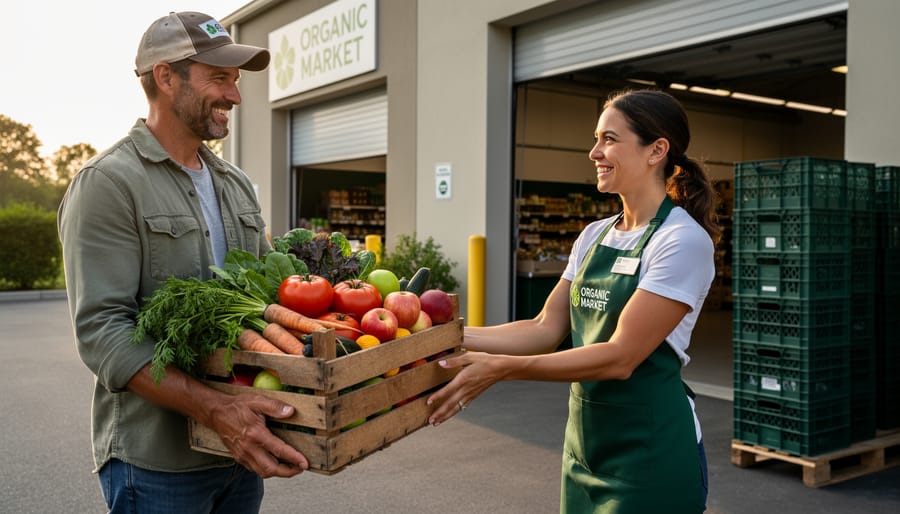
Organic produce stores are changing how Ontario growers connect with customers. Rather than shipping crops to regional distribution centres that might store them for days before delivery to conventional supermarkets, farmers can build direct relationships with store buyers who visit their operations and understand their growing practices.
These direct connections matter most for smaller organic farms. A grower with five acres of certified organic vegetables might struggle to meet the volume requirements of major grocery chains, but that same operation can supply multiple organic produce stores with specialty items those larger retailers won’t carry. The stores benefit from unique products their customers can’t find elsewhere, while farmers gain reliable outlets without competing solely on price against industrial-scale operations.
Ontario farmers’ markets often serve as testing grounds for these relationships. A producer might start by selling heirloom tomatoes or unusual greens at weekend markets, gauge customer interest, then approach organic stores with proven varieties. Some growers maintain both channels throughout the season, using market stalls to move peak-harvest volumes while stores provide steadier weekly orders.
The arrangement shares some DNA with CSA farming where customers commit to supporting a farm’s entire growing season. Organic stores make similar commitments by planning their seasonal displays around what local farms will harvest, not just what distant suppliers can ship year-round. A store buyer might work with a farmer in March to plan summer plantings, ensuring shelf space for those crops when they mature.
This collaborative approach extends to problem-solving. When weather delays a planned harvest, store staff can communicate directly with farmers to adjust promotions rather than penalizing them through a corporate procurement system. If a crop exceeds expectations, stores can feature it prominently instead of letting surplus go to waste because it doesn’t fit predetermined order volumes.
The community focus shows up in how stores educate shoppers about where their food comes from. Many display farm profiles, share growing updates, and help customers understand why local organic produce might look different from imports bred for shipping durability rather than flavour.
What Ontario Shoppers Find at Organic Produce Stores
Walking into an organic produce store reveals a shopping environment designed around transparency and convenience. Where conventional grocery stores often leave consumers guessing about sourcing, these specialized retailers use clear identification systems to help shoppers make informed choices. Programs like British Columbia’s Buy BC logo demonstrate how effective visual markers can be at highlighting regional products, and Ontario stores are adopting similar approaches to showcase local harvests alongside their organic selections.
The shopping experience typically includes several practical features that make supporting local agriculture easier:
| Feature | What It Offers | Benefit for Local Support |
|---|---|---|
| Membership Programs | Exclusive discounts, newsletters, members-only pricing | Regular updates on seasonal Ontario produce arrivals |
| Shopping Assistance | Free personal shopping guidance | Staff can explain which items come from nearby farms |
| App-Based Services | Pickup and delivery options | Convenient access to local organic produce without visiting multiple locations |
| Weekly Promotions | Savings on wellness and seasonal items | Highlights peak-season Ontario crops when they’re most abundant |
These services address real shopping barriers. The personal shopping assistance that stores like Natural Grocers offer means you can ask directly about sourcing and seasonality. Membership programs keep you informed when Ontario growers deliver new harvests. App-based pickup and delivery services, which cooperatives have successfully implemented, let you access locally grown organic produce even when your schedule doesn’t allow for market visits.
Weekly discount days create natural opportunities to try seasonal Ontario products at lower price points. When a store highlights wellness items or fresh produce on specific days, it often coincides with peak availability from regional growers. The combination of clear labelling, knowledgeable staff, and flexible shopping options transforms the simple act of buying vegetables into an accessible way to participate in Ontario’s local food economy. You’re not just purchasing organic produce; you’re learning about harvest cycles and connecting with the farms behind your meals.
Seasonal Opportunities for Ontario Growers

Organic produce stores in Ontario build their inventory around what grows here naturally, month by month. This approach creates opportunities for growers who plan their crops to match these seasonal rhythms rather than chasing year-round availability. Stores display harvest calendars, share peak-picking updates through newsletters, and talk directly with farmers about what’s coming into season. This visibility helps customers understand why strawberries taste better in June than February and why winter squash shows up in September.
For Ontario farmers, this seasonal emphasis means they can focus on crops that thrive in the province’s growing conditions without competing against imported alternatives during peak harvest. A vegetable operation might prioritize heirloom tomatoes and sweet corn for summer sales, then shift to storage crops like potatoes, carrots, and beets for fall and winter. Berry growers find receptive buyers for short-season crops that don’t transport well. Root vegetable specialists can plan succession plantings knowing stores will feature these items prominently during colder months.
Some growers have integrated whole-system agriculture principles into their operations specifically to meet organic store demand. They design crop rotations that build soil health while producing the variety these stores need across the growing season. A farm might grow cover crops between cash crops, raise small livestock to provide fertility, and time plantings so something fresh reaches store shelves every week from May through October.
These stores also educate shoppers about seasonal eating through recipe cards, cooking demonstrations, and staff who explain what’s at its best right now. This connection between harvest timing and purchase decisions helps Ontario growers plan their acreage with more confidence.
Finding and Supporting Your Local Options
Finding organic produce stores in your community starts with a simple online search, but the real work lies in identifying which ones prioritize Ontario farmers. Stores genuinely committed to local agriculture typically showcase their farm partnerships prominently, through signage, staff knowledge, or dedicated local sections that change with the seasons.
When evaluating a potential store, look beyond the organic certification. Strong partners in Ontario’s agricultural network make it easy for you to trace where your food comes from. Some helpful indicators include:
- Clear labeling systems identifying Ontario-grown items versus imports
- Staff who can name specific farms in their supply network
- Seasonal product rotations that reflect Ontario harvest cycles
- In-store information about farm visits or grower profiles
- Membership or loyalty programs that emphasize local sourcing values
Many organic produce stores operate near established farmers’ markets, creating complementary shopping options throughout the week. A store in Toronto’s Six Points Plaza area, for instance, sits within a community that values both channels. This proximity isn’t accidental, it reflects shared customer bases and often overlapping supplier relationships.
Your shopping choices directly support the infrastructure Ontario farmers need to transition to organic methods and expand their operations. Each purchase signals demand for locally grown organic produce, encouraging more growers to pursue certification and establish direct retail relationships. Visit both your neighborhood organic store and nearby farmers’ markets to maximize your impact on local agriculture while enjoying the freshest seasonal options available.
0 comments on “How Organic Produce Stores Are Changing What Ontario Farmers Grow”