
How to Take On a Plastic Reduction Challenge at Your Local Farmers’ Market
A plastic reduction challenge comes down to one simple move: swap the single-use plastic you’d normally pick up at the market for reusable gear you bring from home. Most people can start this week, with no special purchases, and see a real difference in their garbage by the end of a month. The main prerequisite is a bit of planning. Gather a few sturdy totes, some jars or containers, and cloth or mesh produce bags before you head out.
It works because the farmers’ market is already set up for it. Many ontario growers sell loose seasonal produce, from spring asparagus to fall squash, that needs no clamshell or wrapper to begin with. You choose what you want, hand it over, and your own bag does the carrying.
If you’re wondering where to begin, start with what to bring, then cover food safety basics, follow a simple step-by-step routine, and finally check how much plastic you’ve kept out of your bin. Market regulars across Ontario have found that once the habit sticks, it feels less like a challenge and more like part of the weekly shop.
Why Farmers’ Markets Are a Natural Fit for a Plastic Reduction Challenge
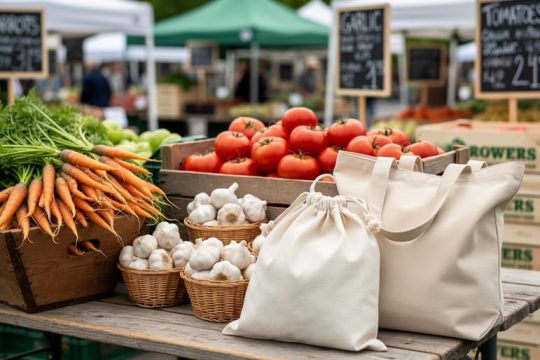
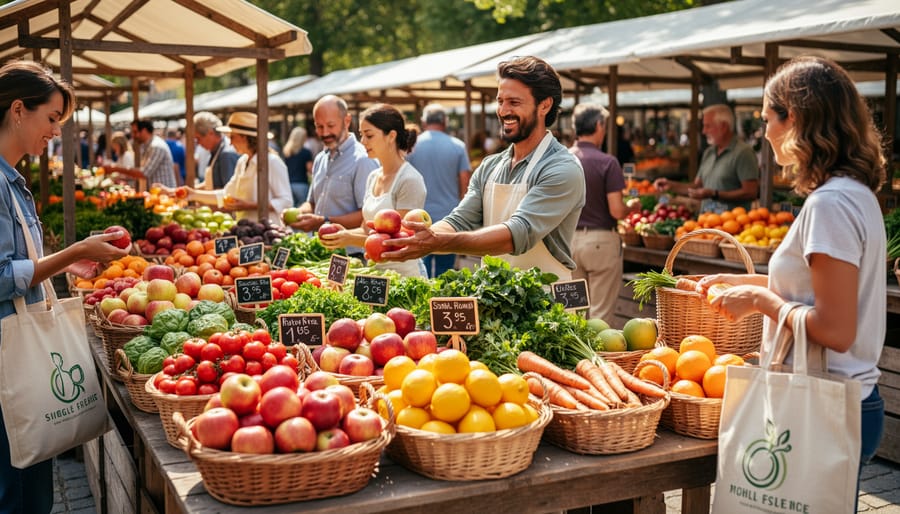
Walk through any Ontario farmers’ market and you’ll notice something quickly: a lot of the food isn’t wrapped in anything. Carrots sit in bins, garlic in baskets, tomatoes in open crates. Growers often sell by weight or by the handful, so there’s simply less packaging to avoid in the first place.
The other advantage is the person behind the table. At a market, you can ask the grower directly whether they’ll fill your container or take back their baskets. That kind of conversation rarely happens at a self-checkout, and it’s often what turns a one-off swap into a habit.
Seasonal food helps too. Ontario produce picked close to the day it’s sold doesn’t need much protection for a short trip home. Spring greens, summer berries, fall squash and winter roots all tend to travel well in a cloth bag or sturdy tote.
Plenty of Ontario markets have seen this play out. Vendors who began offering a few reusable baskets or inviting shoppers to bring their own egg cartons often find the idea catches on. One regular brings a jar, a neighbour copies her, and before long a small habit becomes the market’s way of doing things.
That mix of loose produce, friendly growers and seasonal eating makes the market a comfortable home base for your challenge.
What to Bring: Your Plastic-Free Market Kit
Before you head out, take ten minutes to gather your gear. Most of it is probably already in your closet or kitchen, so you don’t need to buy a whole new set of products to take on the challenge.
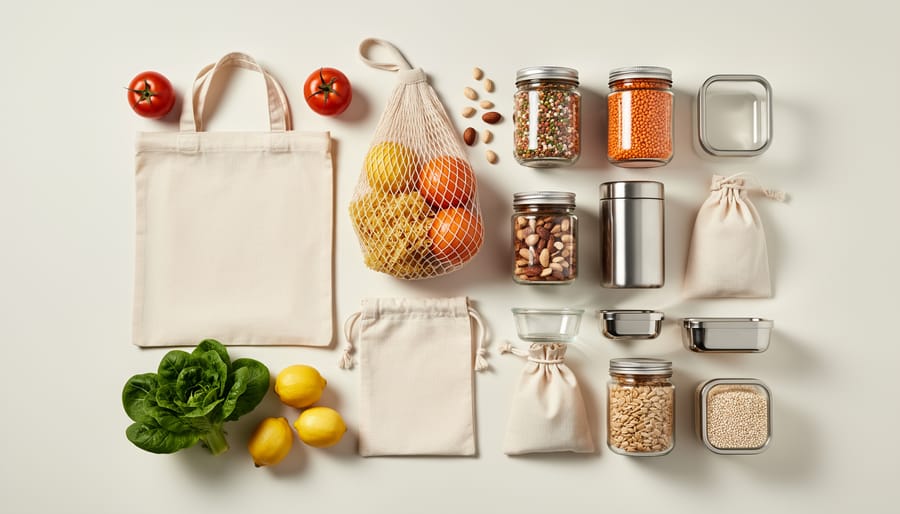
Here’s a simple kit to pack:
- Sturdy reusable totes: they carry heavy squash and potatoes without tearing, and any bag you already own works fine.
- Cloth or mesh produce bags: they keep loose greens and beans together, and you can sew them from an old pillowcase or curtain.
- Glass jars and lidded containers: they suit honey, eggs, olives, and prepared foods, and clean pasta sauce jars do the job for free.
- A small cooler bag with an ice pack: it keeps dairy and meat cold on the ride home, and a lunch bag works well.
- A reusable cup or travel mug: it saves a disposable cup at the coffee stand, and any mug with a lid will do.
Each item solves a specific problem. Totes handle the bulk, produce bags replace those thin clear rolls, and jars hold the sticky or messy items that usually come in plastic tubs. The cooler bag matters more than people expect, especially once the weather warms up.
If you do need to buy something, thrift shops and community swap groups are good places to look for jars, bags, and mugs at low prices. Many Ontario markets also run bag swaps or a shared basket shelf where you can borrow a bag and return it next time. Some vendors take back egg cartons and berry baskets, so keep a few in your tote to bring back on your next visit. Asking at the market info table is an easy way to find out what your market offers.
Safety First: Keeping Food Fresh and Clean Without Plastic
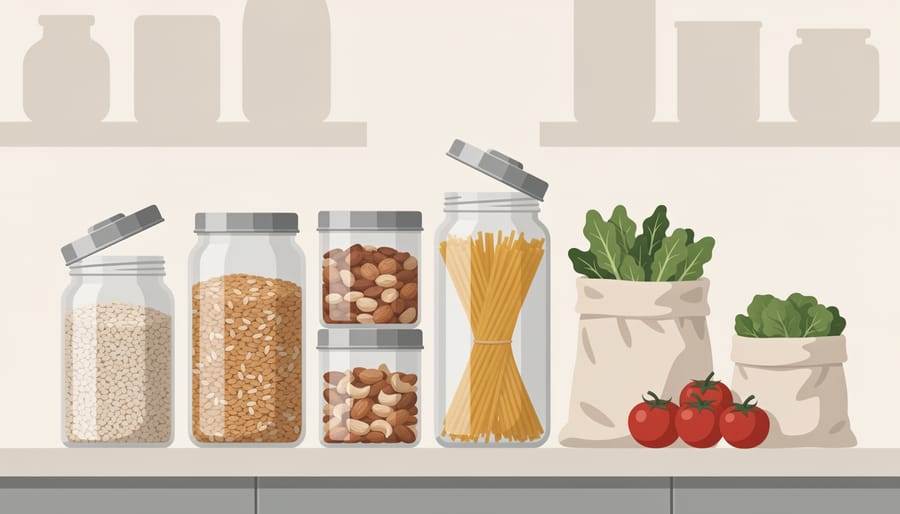
Going plastic-free shouldn’t mean taking risks with your food, and a few habits keep everything fresh and safe. Wash cloth produce bags and glass jars after every market trip, using hot, soapy water, and let them dry fully before you store them. A damp bag is where mould and bacteria like to settle.
Keep raw meat and eggs apart from your produce. Give them their own bag or a separate compartment in your tote, so nothing drips or touches your salad greens. On warm days, bring a small cooler bag with an ice pack for dairy, meat, and anything else that needs to stay cold, and head straight home when you’re done shopping.
Skip any container that once held strong-smelling or spoiled food. Odours linger in jars and plastic tubs, and bacteria can too. If you wouldn’t want to eat from it, don’t use it at the market.
Before you hand over your own container for meat, dairy, or ready-to-eat foods, ask the vendor first. Many growers are happy to help, but some follow food safety rules that limit what they can fill. If you want to understand how those rules work, these market services and some vendor insights are good places to start.
If a vendor says no to your jar, that’s fine. Accept their packaging, save your reusable gear for the items where it works, and keep your challenge going next week.
How to Run Your Plastic Reduction Challenge, Step by Step
Start With a Simple Plastic Check-In
Before you change anything, take stock. On your next grocery trip or market visit, keep a quick tally of every bit of plastic that comes home with you. Check the produce bags, berry clamshells, bread sleeves, and takeaway cups. A phone note works fine. Most people are surprised by how few items account for most of the pile.
Now pick one or two easy targets. Produce bags and berry clamshells are the usual winners because they’re simple to swap with cloth bags and your own containers. Starting small keeps the challenge doable. If you’re worried about cost, learning to shop smart at the market can help you stay on budget while you cut back on packaging.
Shop Seasonal for Less Packaging
Eating with the seasons is one of the easiest ways to cut plastic, because produce that’s at its peak often needs no wrapping at all. Spring greens are frequently piled in open bins or sold by the bunch, tied with a twist of twine. Summer berries tend to arrive in returnable wooden or cardboard baskets, and many growers are happy to take the empty ones back next week.
Come fall, squash and pumpkins are simply too sturdy to need a bag. They go straight into your tote. Winter brings root vegetables like carrots, beets, and potatoes, which are often sold loose by the scoop or in reusable crates. Pop them in a cloth bag and you’re done.
Notice the pattern? Hardy, in-season food travels a short distance and doesn’t have to be protected for a long trip, so it needs less packaging. Fresh-picked food also keeps better when it’s stored properly at home.
Try planning your market list around what’s abundant right now. Ask your growers what’s coming up next, and you’ll find the challenge gets easier, and tastier, with every visit.
Talk to Your Growers
Your growers are your best allies in this challenge, and most of them are happy to chat. A simple “Could I put this in my own container?” opens the door. Ask what they’re comfortable packing for you, whether it’s loose beans in a cloth bag or honey topped up into your jar. Some vendors will say yes right away. Others may have food safety rules, and that’s perfectly fine.
Try a few friendly questions on your next visit:
– Do you take back baskets, crates, or egg cartons?
– Which items can you scoop straight into my bag or jar?
– Have you found ways to cut down on plastic at your own stall?
You may be surprised by the answers. Many growers already reuse berry baskets, collect cartons, or have tips for keeping greens fresh without a bag.
Picture a customer who brings a few clean egg cartons back to the same stall every Saturday. At first, the farmer smiles and says thanks. A few weeks later, they’ve worked out a routine: she hands over the empties, he fills a fresh dozen, and neither of them thinks twice about it. It started with one small question and turned into a habit that saves packaging and builds a friendship.
Common Questions About Going Plastic-Free at the Market
Is going plastic-free more expensive?
Usually not. Loose produce is often priced by weight with no packaging markup, and a few reusable bags pay for themselves quickly. Our guide to the real costs of market shopping breaks down where your money actually goes.
What if a vendor only uses plastic?
That’s okay. Take what you need, reuse the packaging at home, and politely mention you’re trying to cut back. Vendors often appreciate hearing it.
Can I bring my own container for meat or cheese?
Always ask first. Some vendors have food safety rules and will pack items their own way, which is perfectly fine. Others are glad to use a clean jar or container you bring.
What do I do with the plastic I already have?
Keep using it. Reusing the bags and tubs in your cupboard is better than tossing them, and you can send them for recycling once they’re worn out.
How do I keep greens crisp without plastic bags?
Wrap them loosely in a damp cloth or store them in a container lined with a clean tea towel. Keep them in the fridge and they’ll stay fresh for days.
Most of these worries fade after your first market trip or two. Start with the answers that fit your routine, and adjust as you learn what your favourite growers can and can’t do.
How to Tell Your Challenge Is Working, and What to Try Next
After a few weeks, you’ll want proof that your efforts are paying off. The good news is that you don’t need fancy tools, just a few simple habits.
Start with your trash. Compare how many garbage and recycling bags you fill each week, and jot the numbers on the fridge calendar. Then keep a tally of single-use items you skipped, like produce bags, berry clamshells, and plastic wrap. A small notebook in your market tote works well, and the running total tends to be surprisingly motivating.
Pay attention to your food, too. Many people notice that greens stay crisp in a damp cloth bag and that they toss less produce because they buy only what they’ll use. Fresher, seasonal food bought straight from the grower often lasts longer and tastes better, which is a lovely bonus.
Once you’ve found your rhythm, think about sharing it. Invite a friend or neighbour to join you on your next market trip and swap tips along the way. Tell your market coordinator how the challenge went, including what worked and what was tricky. Coordinators love hearing from shoppers, and your feedback can help spark ideas like bag swaps or container-return programs.
Vendors benefit when customers show up ready to reuse. Every cloth bag and returned egg carton is a small vote for a market where growers, shoppers, and the whole local food community can thrive together.
Every cloth bag you carry, every jar you fill, and every friendly chat with a grower adds up. One swap at the market might seem small, but repeat it each week and you’ve kept dozens of pieces of plastic out of your kitchen and out of the bin. The habit builds on itself, too. Once the tote is by the door and the jars are rinsed and ready, it stops feeling like a challenge and starts feeling like simply how you shop.
So here’s a gentle nudge. Pick one week and try the Plastic Reduction Challenge at your nearest Ontario farmers’ market. Bring your kit, ask a question or two, and see what happens. Start small, and don’t worry about getting it perfect.
When you do, take a moment to thank the growers who pack your goods thoughtfully and the neighbours who share their tips. They’re the ones who make the whole thing easier, and a bit of community goes a long way.