
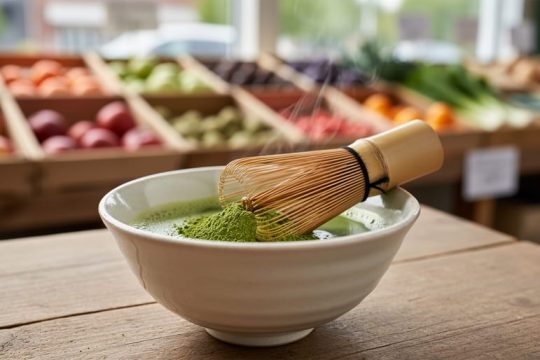
How to Choose Quality Matcha at Ontario Farmers’ Markets: A Buying Guide
Finding quality matcha at Ontario farmers’ markets means looking for vibrant green colour, fine texture, and vendors who store their product properly and can explain its origin. While specialty retailers like Matcha Mornings have set the standard for premium matcha, Ontario’s growing farmers’ market scene now features dedicated vendors bringing ceremonial and culinary-grade options directly to communities across the province.
The difference between exceptional matcha and mediocre powder comes down to cultivation method, harvest timing, and storage. At farmers’ markets, you have the advantage of speaking directly with vendors who understand their product, asking about shade-growing practices, stone-grinding techniques, and freshness guarantees that packaged grocery store matcha rarely provides. This direct connection allows you to sample before purchasing and build relationships with suppliers who prioritize quality over shelf life.
Ontario markets have embraced matcha’s rising popularity, with vendors appearing at established locations from Brampton’s Main Street South seasonal market to St. Catharines’ year-round Saturday offerings. Knowing what to look for, which grade suits your needs, and where vendors maintain consistent quality standards transforms a simple market visit into an opportunity to support local food entrepreneurs while securing genuinely superior matcha for your kitchen.
What Makes Quality Matcha Stand Out
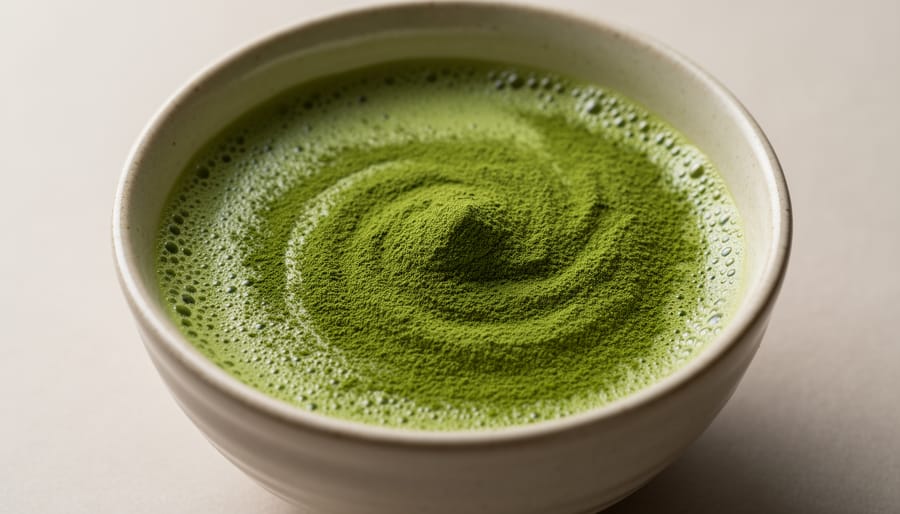
Quality matcha reveals itself through four unmistakable traits. The colour tells the story first: premium matcha displays a brilliant jade green, almost electric in its vibrancy. This vivid hue signals high chlorophyll content from shade-grown tea leaves, harvested at their peak and processed with care. Lesser grades drift toward dull olive or yellowish tones, betraying oxidation or inferior leaf selection.
Texture separates the exceptional from the ordinary. When you rub quality matcha between your fingers, it feels impossibly fine, silky, almost weightless. It clumps slightly when pressed but disperses into a smooth powder without gritty particles. Lower-grade matcha contains coarser fragments that scrape rather than glide, leaving a chalky residue that never fully dissolves in water.
Aroma provides another layer of truth. Fresh, high-grade matcha smells vegetal and sweet, think fresh-cut grass mixed with subtle nuttiness. The scent should be clean and inviting, never musty, stale or bitter. Sniff the powder directly; if it lacks fragrance or carries a hay-like flatness, freshness has likely faded.
Origin matters more than casual shoppers realize. Authentic quality matcha comes from specific Japanese tea-growing regions, Uji, Nishio, and Kagoshima lead the field. Vendors confident in their product will readily share sourcing details. Those who dodge questions about origin or offer vague “Asian” descriptions typically sell commodity-grade powder. At Ontario farmers’ markets, reputable vendors stock matcha they can trace and explain, connecting you directly to the tea gardens behind each canister.
Essential Factors for Selecting Matcha at Markets
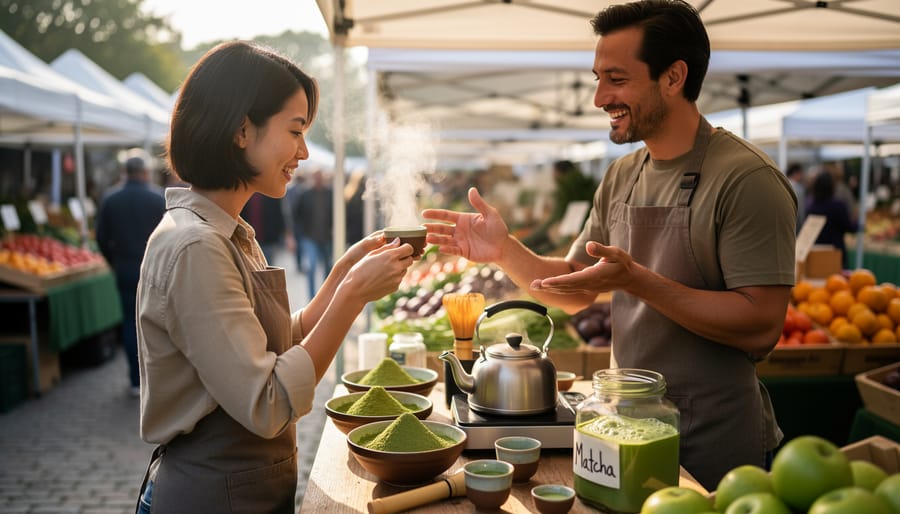
When you stand at a matcha vendor’s stall, what you ask and observe in those first few minutes often determines whether you’ll bring home exceptional tea or an overpriced disappointment. The farmers’ market environment offers unique advantages, direct vendor access, transparency, and often the chance to sample, but only if you know which factors truly matter.
Start with organic certification, though not as a rigid dealbreaker. Legitimate vendors display certification documentation readily, typically from recognized bodies like Canada Organic or USDA Organic. Ask to see the certificate if it’s not visible; hesitation or vague answers signal a problem. That said, some small-scale producers follow organic practices without formal certification due to cost. In these cases, probe deeper: ask about pesticide use, soil amendments, and growing methods. A knowledgeable farmer can articulate their practices clearly.
Vendor knowledge separates passionate specialists from resellers moving product. Pose specific questions: Where was this matcha grown? When was it harvested and stone-ground? How do you recommend preparing ceremonial versus culinary grade? A vendor who sources quality matcha understands terroir, processing timelines, and preparation nuances. They’ll explain why their matcha costs what it does and guide you toward the right grade for your needs. Vendors like Matcha Matcha Momo, who appear at markets such as North City Farmers Market with high quality matcha and house-made syrups, typically demonstrate this depth of product knowledge through their specialized focus.
- When was this batch ground, and how is it stored between market days?
- Can you describe the colour and aroma I should expect when I open it at home?
- What’s the origin, Japan, or is it grown elsewhere?
- Do you offer samples so I can assess the taste before buying?
- How quickly should I use this after opening?
Freshness indicators require your senses. Quality matcha arrives in opaque, airtight packaging, never clear containers that expose the powder to light. Examine the colour through any windowed packaging: it should be vibrant, almost neon green, not dull olive or yellowish. Ask when the current stock was ground; matcha oxidizes within months of grinding, so recent processing matters more than harvest date alone. Vendors storing matcha in coolers or insulated containers between sales show they understand preservation.
Sampling opportunities give you the clearest quality signal. Prepare a small amount whisked with hot water if the vendor offers tasting. You’re assessing smooth texture, sweet umami flavour, and minimal bitterness or astringency. Grainy texture or harsh, one-note bitterness indicates lower grade or stale product, regardless of what the label claims.
Understanding Different Types of Matcha
The matcha available at Ontario farmers’ markets typically falls into distinct categories, each suited to different uses and budgets. Understanding these differences helps you match the right type to your needs, whether you’re whisking a traditional tea ceremony bowl or blending a morning smoothie.
Ceremonial grade represents the highest quality matcha you’ll encounter at market stalls. Produced from the youngest tea leaves and stone-ground to an exceptionally fine powder, it delivers a vibrant jade-green colour and a naturally sweet, umami-rich flavour with minimal bitterness. This grade is meant for drinking plain, whisked with hot water in the traditional style. You’ll pay premium prices, but the smooth taste and brilliant hue justify the cost if you’re drinking matcha straight.
Premium grade sits in the middle tier. It shares many qualities with ceremonial matcha, good colour, fine texture, pleasant taste, but comes from slightly more mature leaves. The flavour carries a touch more astringency, making it versatile enough to enjoy on its own or in lattes. Many market shoppers find this grade offers the best balance between quality and value for daily drinking.
Culinary grade serves a different purpose entirely. Harvested from later-growth leaves, it has a stronger, more robust flavour and a slightly duller green appearance. The taste can be bitter when whisked alone, but it shines when blended into baked goods, smoothies, ice cream, or cooking recipes where other ingredients balance its intensity. The significantly lower price point makes it practical for recipes that call for larger quantities.
Some vendors also offer specialty blends that combine matcha with other ingredients like vanilla, mint, or adaptogenic mushrooms. These products cater to specific flavour preferences or wellness goals, though they move away from traditional matcha’s pure profile.
| Matcha Type | Key Characteristics | Typical Price Range | Best Uses |
|---|---|---|---|
| Ceremonial Grade | Vibrant jade-green, ultra-fine, sweet and smooth | $30-60+ per 30g | Traditional whisked tea, drinking plain |
| Premium Grade | Bright green, fine texture, balanced flavour | $20-35 per 30g | Daily lattes, straight drinking, occasional cooking |
| Culinary Grade | Duller green, robust and bitter, coarser | $10-20 per 30g | Baking, smoothies, recipes, larger-batch uses |
| Specialty Blends | Varies with added ingredients | $15-40 per 30g | Flavoured beverages, specific wellness goals |
When shopping at farmers’ markets, ask vendors which grade they carry and what they recommend for your intended use. A knowledgeable seller will guide you toward ceremonial if you want traditional tea, premium for versatile daily use, or culinary if you’re mixing matcha into recipes. Sampling different grades side by side reveals the quality differences immediately: ceremonial dissolves effortlessly and tastes naturally sweet, while culinary shows its strength and bitterness upfront.
Where to Find Matcha Vendors Across Ontario
Finding matcha vendors at Ontario farmers’ markets requires some targeted searching, as these specialty products typically appear at larger urban markets with diverse vendor rosters. Start by checking vendor directories on market websites before visiting, or contact market coordinators directly to ask which weeks matcha sellers will attend.
Toronto farmers markets host the highest concentration of specialty tea vendors, particularly during peak summer season when vendor attendance is strongest. North City Farmers Market features Matcha Matcha Momo, a vendor known for high quality matcha, organic milks, and house made syrups. This vendor operates on a rotating schedule, so verify their attendance before making a special trip.
Beyond Toronto, several well-known markets in the Greater Toronto Area and across the province occasionally feature matcha vendors. Brampton Farmers’ Market, returning for the 2026 season on June 13, runs along Main Street South from Queen Street to Wellington Street. St. Catharines Farmers Market operates year-round on Saturdays from 7 a.m. to 2 p.m., plus Thursdays from 8 a.m. to 2 p.m. between February and December.
Smaller regional markets may feature matcha vendors less frequently, though they often book specialty vendors for peak weekends or festival dates. Building a relationship with matcha sellers at their primary market locations helps you learn their full rotation schedule and ensures you don’t miss restocks of fresh product. Many vendors also maintain social media accounts announcing which markets they’ll attend each week.
Smart Shopping Tips for Market Matcha

Arriving at the market early in the season gives you the best chance to meet vendors when their matcha stocks are freshest. Many sellers replenish inventory in spring, so visiting farmers’ markets soon after their seasonal opening, like when Brampton Farmers’ Market returns in mid-June, positions you ahead of peak summer crowds and ensures you’re buying from recently-opened containers rather than stock that’s been exposed to air for months.
Look for matcha packaged in opaque, airtight containers or sealed pouches that block light and moisture. Clear glass jars might look appealing, but they expose the powder to light degradation. Before committing to a purchase, apply standard market buying tips: ask if you can sample the matcha whisked into water or milk, which reveals its true colour, texture, and taste far better than examining dry powder alone.
Building a relationship with a trusted vendor pays dividends over time. Regular customers often get first notice when new shipments arrive, access to better grades, and insights into seasonal quality variations. Return to the same seller, ask questions about their sourcing practices, and share feedback on how you used their product. This approach transforms a single transaction into an ongoing partnership that benefits both your kitchen and Ontario’s local food network.
Common Mistakes That Cost You Quality
Even experienced shoppers can fall into traps that compromise the quality of their matcha purchase. Understanding these pitfalls helps you avoid bringing home a product that disappoints or deteriorates quickly.
The most common mistakes include:
- Choosing the cheapest option without questioning why the price is significantly lower than other vendors
- Ignoring colour cues, dull, yellowish powder indicates oxidation and age regardless of vendor claims
- Failing to ask where and when the matcha was sourced, missing critical freshness information
- Purchasing large quantities to save money, only to watch the matcha lose vibrancy in your pantry
- Accepting improper packaging like clear bags or containers that expose the powder to light
- Skipping sample tastings when offered, which would reveal bitterness or staleness before purchase
- Storing matcha in the original packaging without transferring to an airtight, opaque container at home
Price deserves special attention. While bargain matcha might seem appealing, ceremonial-grade powder commands higher prices for good reason, superior cultivation, processing, and handling. A vendor selling “ceremonial grade” at culinary-grade prices should raise questions about authenticity or freshness.
Many shoppers also underestimate how quickly matcha degrades once opened. A 100-gram tin might seem economical, but if you use only a teaspoon daily, the last third will have oxidized considerably. Buying smaller quantities more frequently from your local market ensures you’re always working with fresh powder and gives you chances to explore different vendors or seasonal offerings.
Main Options Compared
When shopping for matcha at Ontario farmers’ markets, you’re choosing between three primary options, each suited to different needs and budgets.
Ceremonial grade represents the highest quality available. Harvested from the youngest tea leaves and stone-ground to an exceptionally fine powder, ceremonial matcha displays a brilliant jade-green colour and delivers a smooth, naturally sweet flavour with minimal bitterness. Vendors typically charge premium prices ($30, $50 per 30g tin), reflecting the meticulous production process. This grade shines when whisked with hot water for traditional tea preparation, where its delicate flavour takes centre stage without added ingredients.
Premium grade (sometimes called café grade) offers excellent quality at a more accessible price point ($20, $35 per 30g). Slightly less sweet than ceremonial but still vibrant green with minimal grittiness, this option works beautifully in lattes, smoothies, and baked goods while remaining pleasant enough to drink plain. Many market shoppers choose premium grade as their everyday matcha.
Culinary grade costs less ($12, $25 per 50g) and appears darker green with a stronger, more astringent flavour profile. While not ideal for traditional whisked tea, culinary matcha excels in recipes where other ingredients balance its intensity, think matcha ice cream, energy balls, or pancakes. Vendors honest about their product’s intended use typically stock this grade specifically for cooking applications.
Ask vendors which grade they’re selling; reputable sellers gladly explain the differences and help you choose based on how you’ll use it.
Frequently Asked Questions
Can I buy matcha directly from Ontario tea farmers at markets?
While tea doesn’t grow commercially in Ontario’s climate, farmers’ market vendors source premium matcha and often operate under transparent supply chains similar to CSA farming models. Look for vendors who can explain their sourcing partnerships and quality standards in detail.
How long does farmers’ market matcha stay fresh after purchase?
Properly stored matcha maintains peak quality for about three months in an airtight, opaque container kept away from heat and light. Buy smaller quantities if you use matcha occasionally to ensure maximum freshness.
Should I expect to pay more for matcha at farmers’ markets versus grocery stores?
Quality ceremonial-grade matcha typically costs more regardless of where you buy it, but farmers’ market vendors often offer better value through direct relationships, fresher product, and transparent sourcing. The price reflects the grade and quality rather than the venue.
Is it safe to sample matcha at outdoor market stands?
Reputable vendors follow food safety protocols when offering samples. If a vendor provides tasting opportunities, it demonstrates confidence in their product quality and gives you a chance to assess taste and texture before purchasing.
These common questions address practical concerns that arise once shoppers understand the buying criteria. Armed with knowledge about quality indicators, grades, and vendor transparency, you can confidently navigate Ontario’s farmers’ markets to find matcha that meets your standards. The direct access to knowledgeable sellers and the community atmosphere of local markets make them ideal venues for discovering quality matcha while supporting Ontario’s food networks.
Finding quality matcha at Ontario farmers’ markets connects you with vendors who care about what they sell and understand the product intimately. The direct relationships you build at these markets provide transparency that’s impossible to replicate in conventional retail settings. When you ask a vendor about their sourcing, storage practices, or grade distinctions, you’re speaking with someone who can give you honest answers and often shares your commitment to quality.
The buying criteria we’ve covered, vibrant colour, fine texture, proper storage, transparent sourcing, and appropriate grading, empower you to shop with confidence at any market across the province. Whether you’re exploring established year-round venues or seasonal markets opening in June, you’ll find vendors who represent the intersection of traditional matcha excellence and Ontario’s thriving local food movement.
Every purchase you make supports the agricultural networks that strengthen our communities. Choosing matcha from farmers’ market vendors means your investment stays local, encourages transparency in food sourcing, and helps sustain the people who bring specialized, quality products to your neighbourhood. Visit your local market this weekend equipped with what you now know, and discover the difference that direct-from-vendor matcha makes.
0 comments on “How to Choose Quality Matcha at Ontario Farmers’ Markets: A Buying Guide”