What Is Clip Farming (and How Does It Work)?
Clip farming is the practice of intentionally creating or selecting moments from video content designed to be shared as short, attention-grabbing clips across social media platforms. Rather than letting audiences organically choose what to share, content creators cut the best moments from long-form videos into dozens or even thousands of clips, flooding feeds on Instagram, TikTok, YouTube, and Facebook to maximize discoverability and views. The strategy works because these bite-sized clips catch scrolling eyes and drive viewers back to the full content or brand behind them.
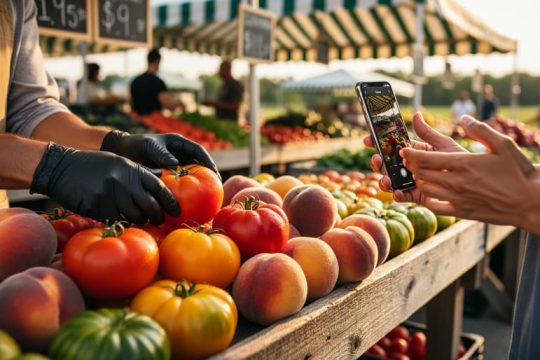
For Ontario’s farmers and market coordinators, understanding clip farming opens doors to reaching new customers who might never have visited a local market website or driven past a farm stand. A 30-second clip of sunrise over a berry field, a vendor’s hands arranging heirloom tomatoes, or a customer’s delighted reaction to tasting fresh peach preserves can travel far beyond your immediate community. The technique isn’t limited to entertainment creators anymore. Farms, brands, and organizations across sectors now use clip farming to connect with people online, turning everyday market moments into shareable stories that build awareness and trust.
This article breaks down what clip farming means, how it works in practice, the different types of clips that perform well, and how Ontario’s agricultural community can use this approach to celebrate local food and strengthen connections with consumers who care about where their food comes from.
What Clip Farming Means
Clip farming is the intentional practice of creating or extracting short, shareable video moments designed to go viral and maximize reach across social media platforms. Rather than hoping content catches on organically, clip farming treats virality as a strategy, either by building attention-grabbing moments directly into videos or by cutting longer content into numerous clips that flood feeds and boost discoverability.
The practice takes two main forms. The first involves creating content with viral moments already built in: repeating catchphrases, staging dramatic reveals, or choreographing shareable beats that viewers will want to clip and share. The second approach extracts the best segments from existing long-form videos, like a 20-minute farmers’ market tour or cooking demonstration, and repurposes them into dozens or even thousands of short clips, each tailored to capture attention in a crowded feed.
- Clip Farming
- The intentional practice of creating or extracting short, shareable video moments designed to go viral and maximize reach across social platforms.
- Clipping
- The act of cutting or extracting a specific segment from a longer video to share as standalone content.
- Viral Moments
- Attention-grabbing content beats, catchphrases, dramatic reveals, emotional peaks, engineered or identified for maximum shareability.
- Discoverability
- The ease with which new audiences can find your content, often boosted by flooding feeds with multiple clips from the same source.
Both approaches share the same goal: reaching people online by creating moments worth sharing. For Ontario farmers and markets, this might mean crafting a memorable tagline about seasonal Ontario strawberries or cutting a vendor’s harvest story into multiple clips highlighting different emotional beats. The strategy relies on volume and intentionality rather than chance.
How Clip Farming Works

At its core, clip farming transforms one piece of long-form content into dozens or even hundreds of short, shareable clips designed to saturate social media feeds. The process starts with source material, a 45-minute farmers’ market tour, a cooking demonstration featuring local produce, or a day-in-the-life farm video. From there, creators identify the most compelling moments: a vendor’s passionate story about heirloom tomatoes, the first bite reaction to fresh peach jam, or a farmer explaining regenerative practices in simple terms.
The mechanics follow a straightforward pattern:
- Record or gather long-form video content from markets, farms, or food events
- Review footage to identify 15-30 second segments with strong hooks, emotional peaks, or valuable information
- Edit each moment into a standalone clip with captions, music, or text overlays optimized for each platform
- Distribute the clips across Instagram Reels, TikTok, YouTube Shorts, Facebook, and other channels over days or weeks
- Track which clips gain traction and create variations or follow-ups to maximize engagement
Campaigns and brands use this strategy to push content into feeds repeatedly without appearing repetitive, since each clip offers a different angle or moment. A single market visit might yield clips about seasonal strawberries, vendor interviews, cooking tips, sustainability practices, and behind-the-scenes preparation, each reaching different audience segments.
Some organizations take a more deliberate approach by engineering viral moments from the start. The New York Times reported on groups engaging in “clip farming” by showing up at events and creating stirs specifically to yield videotaped moments. While that example involves controversy, the underlying principle applies to agricultural marketing: intentionally creating moments worth clipping. A farmers’ market coordinator might plan a surprise chef demonstration, a seasonal produce reveal, or a community celebration knowing these moments will generate shareable content.
The goal isn’t deception but strategic amplification. Each clip serves as a discovery point, drawing viewers back to the market, the vendor, or the broader mission of supporting local agriculture.
Types of Clip Farming Approaches

Clip farming takes different forms depending on how you approach content creation and what resources you already have. The two main strategies are proactive clip farming, where you intentionally design moments to be clipped, and reactive clip farming, where you extract the best segments from content you’ve already created.
Proactive clip farming means planning viral moments into your content from the start. A farmers’ market vendor might develop a signature catchphrase when greeting customers, repeat a memorable demonstration technique, or create dramatic reveals of seasonal produce. Think of a berry farmer who always starts their market stand videos with “Let me show you something beautiful” before unveiling fresh strawberries, or a cheese maker who performs the same knife-pull test on every curd sample. These repeatable moments give you built-in content designed to travel across social media feeds.
Reactive clip farming works differently. You film longer content first, then mine it for shareable moments afterward. A 20-minute farmers’ market tour video becomes dozens of individual clips: a vendor’s laugh, a child tasting their first heirloom tomato, a quick tip about selecting ripe peaches, or the moment a customer discovers a new favourite producer. You’re not creating these moments deliberately, you’re capturing authentic interactions and extracting what resonates.
Most successful clip farming strategies blend both approaches:
- Proactive content creation with intentional viral moments and catchphrases
- Reactive clipping from existing long-form videos and event footage
- Platform-specific optimization tailored for Instagram, TikTok, or Facebook audiences
- Event-based clip farming at harvest celebrations, cooking demos, or seasonal launches
For Ontario farmers and markets, this might mean filming your Saturday market setup as long-form content while deliberately including a signature moment, then cutting that footage into clips about individual vendors, products, recipes, and behind-the-scenes glimpses throughout the following week.
Where Clip Farming Happens
Clip farming happens across every major social media platform, each offering distinct advantages for Ontario’s agricultural community. Instagram and TikTok lead the pack for farmers’ markets because they prioritize short-form video and favour visual storytelling. A 30-second clip of heirloom tomatoes being harvested or a vendor explaining organic growing methods fits perfectly into these feeds, where algorithm-driven discovery can push local content to thousands of nearby consumers searching for fresh food options.
YouTube serves a dual purpose: farmers can post longer market tours or cooking demonstrations, then extract dozens of clips highlighting individual vendors, seasonal recipes, or behind-the-scenes moments. These clips work as teasers that drive viewers back to the full video or directly to the market. Facebook remains valuable for reaching older demographics and community groups, particularly when markets want to share event announcements, vendor profiles, or educational content about local agriculture with established followers.
LinkedIn might seem unexpected, but it works for farmers and market coordinators targeting corporate buyers, restaurant partnerships, or policy conversations around local food systems. A clip about sustainable farming practices or economic impact can reach decision-makers who source ingredients or shape agricultural programs.
Reddit and podcast clips occupy specialized niches. Reddit communities focused on gardening, cooking, or Ontario-specific topics can amplify clips organically when they spark genuine discussion. Podcast clips work when farmers or coordinators appear on shows discussing agriculture, sustainability, or community building, those audio moments can be repurposed with text overlays into visual clips for other platforms.
The key for Ontario farmers is choosing platforms where their audience already gathers, then tailoring clip length, tone, and content to match how people use that space.
How Ontario Farmers and Markets Can Use Clip Farming

Ontario farmers and markets can harness clip farming to tell their local food stories more effectively and reach consumers who care about sustainability and community. Start by capturing authentic moments from your weekly operations: a vendor slicing fresh strawberries, a customer’s reaction to tasting heirloom tomatoes, or a farmer explaining why their asparagus peaks in May. These genuine snippets work better than scripted content because they reflect the real character of your market.
Use clips to drive attendance by highlighting what’s fresh each week. A 15-second video of corn being loaded onto market tables on Thursday morning tells shoppers exactly when to visit. Seasonal produce clips educate consumers about what grows locally and when, building appreciation for the rhythm of Ontario agriculture. Share these on Instagram and TikTok where your audience already scrolls.
Support your vendors by creating individual spotlight clips from longer market tours or interviews. A baker explaining their sourdough process or a mushroom grower discussing foraging can become multiple pieces of content that bring customers directly to their stalls. These clips serve double duty: they promote specific vendors while reinforcing your market’s role as a community hub.
For markets looking to grow, clip farming complements traditional strategies found in guides about how to start a successful market and practical food market tips by adding a digital layer to your outreach. Film your events, cooking demonstrations, and seasonal celebrations, then cut them into short clips throughout the following weeks. This extends the life of every activity and keeps your market visible even between market days.
The approach works particularly well for outdoor farmers markets where visual appeal is built in. Sunshine on produce, conversations between neighbours, children picking out apples, these moments capture what makes farmers’ markets special. Stay authentic to your mission by focusing on real interactions rather than manufactured viral moments, and your clips will naturally resonate with people who value local food and community connection.
Common Questions About Clip Farming
Common Questions About Clip Farming
Farmers and market coordinators often have practical questions when considering clip farming as part of their digital strategy. Here are answers to the most common concerns.
What exactly is clip farming?
Clip farming is the practice of creating or extracting short, shareable video moments designed to maximize reach and engagement across social media platforms. It involves either building viral-worthy moments into your content or cutting the best segments from longer videos into numerous clips.
How does clip farming work for farmers’ markets?
Markets film their activities, vendor setups, harvest moments, cooking demos, then cut these into short clips optimized for different platforms. Each clip focuses on one compelling moment, flooding feeds with multiple entry points that drive viewers back to your market or farm.
Which platforms should Ontario farmers use for clip farming?
Instagram and TikTok work best for visual storytelling about produce and market life, while Facebook reaches older demographics in your community. YouTube handles longer clips, and LinkedIn can connect you with local food advocates and those starting a food business.
Do you need lots of content to start?
No. One solid farmers’ market day or farm visit can yield 20-30 clips. Start with a single event, extract your best moments, and see what resonates before scaling up.
The key is authenticity. Your clips don’t need Hollywood production, smartphone footage of real farm moments connects better with audiences than polished commercials. Focus on the stories that make your market unique.
Clip farming offers Ontario’s farmers and markets a practical way to share their stories and connect with consumers who care about local food. By capturing genuine moments, a vendor arranging heirloom tomatoes, a chef preparing seasonal dishes, a family choosing fresh produce, and turning them into short, shareable clips, you can reach people who might never have discovered your market otherwise.
Start small and stay authentic. You don’t need expensive equipment or a massive content library. A single market day can yield dozens of clips: vendor interactions, colourful produce displays, customer testimonials, behind-the-scenes farm glimpses. Focus on what makes your community unique rather than chasing viral trends that don’t fit your mission.
The goal isn’t just views or engagement for their own sake. It’s about strengthening the connection between Ontario farmers and the people they feed, making local agriculture more visible and accessible. When done thoughtfully, clip farming amplifies the values already at the heart of farmers’ markets: community, sustainability, and supporting local growers. Keep your content real, keep it rooted in your story, and let those authentic moments do the work.
0 comments on “What Is Clip Farming (and How Does It Work)?”