
Are Farmers’ Markets Expensive? How to Shop Smart and What You’re Really Paying For
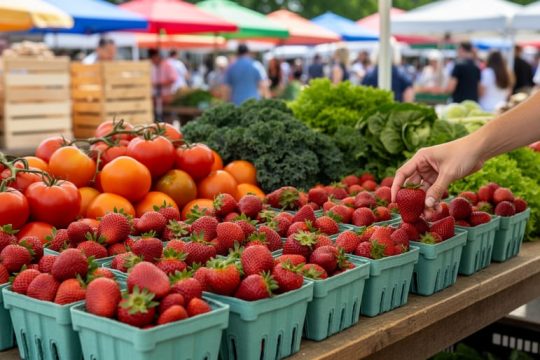
Farmers markets aren’t inherently expensive, but they require a different shopping approach than grocery stores. Whether you save money or spend more depends on what you buy, when you shop, and how well you understand seasonal availability. Peak-season produce like Ontario strawberries in June or tomatoes in August often costs less per pound than supermarket equivalents, while out-of-season items or specialty products carry premium prices. The real value lies in knowing which vendors offer bulk pricing, when to arrive for end-of-day discounts, and how to make the most of market services like nutrition incentive programs that stretch your budget further.
Shopping strategically transforms farmers markets from a perceived luxury into a practical food source. Buying whole vegetables instead of pre-cut, choosing slightly imperfect produce, and building relationships with growers who remember regular customers all reduce costs. Many Ontario markets now accept provincial nutrition programs and offer matching dollars for low-income shoppers, making fresh local food accessible across income levels. Understanding what drives pricing at farmers markets helps you shop confidently, whether you’re feeding a family on a tight budget or simply want better value for your grocery dollars.
What You’re Really Paying For at Farmers’ Markets
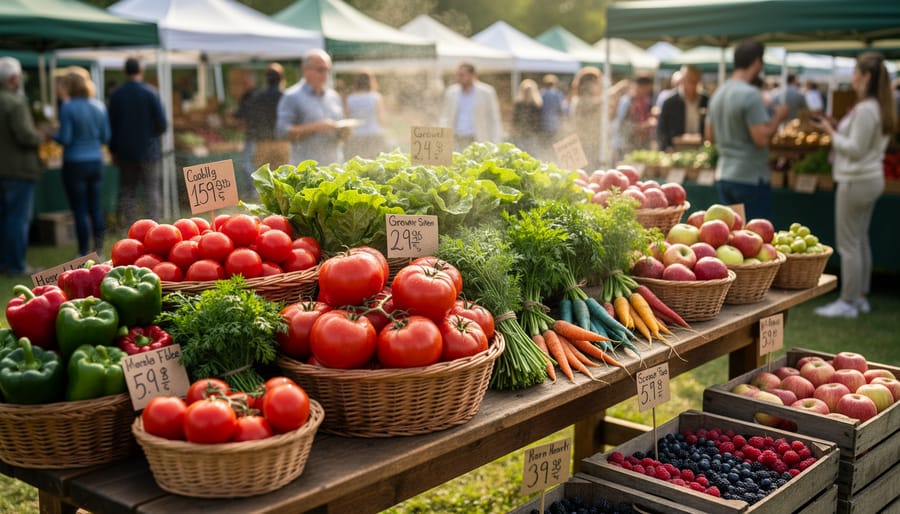
When you hand cash to a vendor at a farmers’ market, you’re participating in a fundamentally different transaction than scanning items at a grocery checkout. The farmer standing in front of you likely woke before dawn to harvest, packed a truck, drove to the market, paid a booth fee to participate, and will pocket most of what you spend. There’s no distributor taking a cut, no warehouse storing produce for weeks, and no corporate buyer negotiating the farmer down to rock-bottom wholesale rates.
Vendors at Ontario farmers’ markets face real operating costs. They pay booth fees to participate (amounts vary by market and season), cover fuel and vehicle maintenance for transport, invest in display equipment and signage, and absorb the labor costs of harvesting, packing, and staffing the stall. Some carry liability insurance. Many practice whole-system agriculture that prioritizes soil health and biodiversity over maximum yield, which can mean higher per-unit production costs. Unlike grocery stores that rely on volume discounts and loss leaders, farmers set prices to cover their costs and sustain their operations without the cushion of selling thousands of units weekly.
What you receive in exchange differs from supermarket produce in ways that affect both quality and longevity. Market vegetables are often picked within 24 to 48 hours of sale, retaining moisture, flavor compounds, and nutrient density that degrade during long-distance shipping. Heirloom tomato varieties bred for taste rather than shipping durability won’t survive a conventional supply chain but thrive at markets. You can ask the grower exactly when something was harvested, how it was grown, and how to store or prepare it. That direct access to expertise and transparency about origin is part of what you’re paying for, alongside the food itself.
The pricing model is transactional but personal. Farmers adjust prices based on harvest volume, weather impacts on supply, and what their costs require to stay viable. They’re not marking up a wholesale price by a standard percentage. They’re calculating what keeps their farm running for another season while remaining accessible to their community.
Who Can Shop Smart at Farmers’ Markets (and How to Qualify for Savings)
Shopping smart at farmers’ markets isn’t just about strategy, it’s about knowing which programs can put money back in your pocket. Many Ontario markets participate in initiatives that make fresh, local food accessible regardless of income level, and understanding your eligibility opens doors you might not realize exist.
Several programs directly reduce what you pay at the checkout:
- Nutrition incentive programs match your food assistance dollars (often dollar-for-dollar up to a weekly limit) when you purchase fruits and vegetables from participating vendors
- Senior discount days or loyalty programs at select markets offer percentage reductions for shoppers over 60 or 65, typically on slower weekday mornings
- EBT and government assistance acceptance is growing across Ontario markets, allowing you to use benefits just as you would at grocery stores, ask your market manager which vendors are enrolled
- Bulk purchasing arrangements let any shopper negotiate reduced per-unit pricing when buying larger quantities directly from farmers, no special qualification needed
- Community Supported Agriculture programs through market vendors provide weekly produce boxes at pre-paid rates that work out cheaper per pound than individual purchases, available to anyone willing to commit for a season
The beauty of CSA shares is their upfront payment structure: you pay in early spring when budgets may allow it, then collect your share weekly without additional cost throughout the growing season. If you’re unsure about committing, learning how CSA works can clarify whether the model fits your household’s eating patterns and financial planning.
Most markets don’t advertise every program at every booth. Ask the market manager directly what assistance programs operate at your location, and which vendors participate. You might discover savings opportunities tailored to students, families with young children, or specific postal codes within the market’s service area.
How to Shop Cost-Effectively at Your Local Market
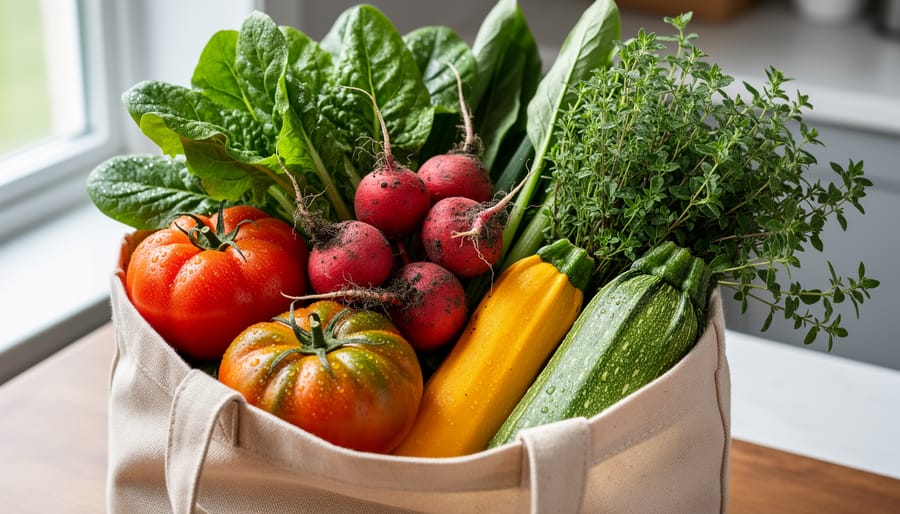
Shopping strategically turns perceived expense into genuine value. These tested approaches work across Ontario’s farmers’ markets, regardless of your budget.
Start with timing. Markets get quieter an hour before closing, and vendors prefer selling out to packing up. You won’t find aggressive discounting like grocery clearance racks, but farmers often bundle remaining inventory or round prices down on perishables they’d rather not transport home. Arrive early for best selection, late for flexibility on price.
Buy what’s abundant. When local strawberries flood June markets or tomatoes peak in August, prices drop naturally. A flat of tomatoes costs far less per pound than buying them piecemeal at the supermarket, and you’re getting vine-ripened flavour that lasts a week longer in your fridge. Sweet corn sold by the dozen, berry flats for freezing or jam-making, and bushels of apples for storage all deliver better value than their store equivalents when you buy at peak availability.
Negotiate thoughtfully on bulk purchases. Farmers appreciate customers who buy quantity, a case of peppers for canning, ten pounds of apples for sauce, but frame it as partnership, not haggling. “I’d love to buy a bushel for preserving. What’s your best price on that?” works better than demanding discounts. Most vendors price fairly from the start and have slim margins, so respect replaces pressure.
Compare as you walk. Prices vary between vendors based on growing methods, variety, and farm size. Three stalls might sell cucumbers, each at different price points reflecting organic certification, heirloom seeds, or distance traveled. Quality differences justify cost differences. Check what you’re actually getting before assuming one vendor overcharges.
Bring reusable bags and containers. Some markets charge for packaging or offer small discounts when you provide your own. It’s modest savings, but it compounds over weekly visits.
Ask about imperfect produce. Cosmetically flawed vegetables taste identical and often sell at reduced prices. Farmers cull these for processing or animal feed, so requesting them benefits both sides.
Build vendor relationships. Regular customers get remembered. Farmers might set aside your preferred variety, suggest recipe uses for surplus items, or give you first notice when something special arrives. Loyalty creates value beyond price, though occasional generosity follows too.
Track your spending honestly rather than operating on assumptions. Many shoppers discover their market basket costs less than expected once they apply these strategies and account for reduced waste from fresher food.
Comparing the True Cost: Market Prices vs. Grocery Stores
When Markets Cost Less
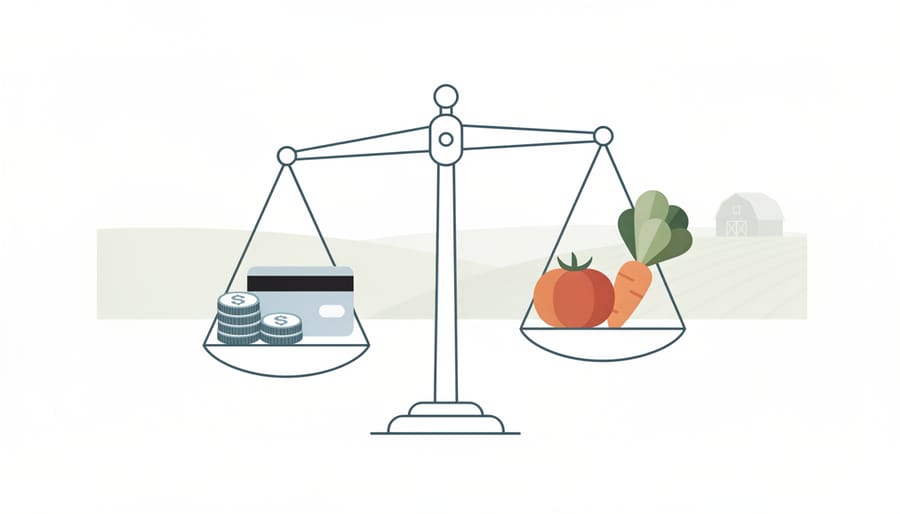
Farmers’ markets consistently beat grocery stores during Ontario’s harvest season, when local abundance drives prices down. A flat of tomatoes in August costs less than buying them piecemeal at the supermarket, and you’re getting vine-ripened flavour that lasts a week longer in your fridge. Sweet corn sold by the dozen, berry flats for freezing or jam-making, and bushels of apples for storage all deliver better value than their store equivalents when you buy at peak availability.
Herbs present another clear win. A grocery store charges premium prices for tiny plastic clamshells that wilt in days. At the market, you can buy fresh bundles at a fraction of the cost, then dry or freeze what you don’t use immediately. The same principle applies to greens sold in larger quantities directly from the farmer.
Farm-direct proteins often surprise shoppers with their competitive pricing. Eggs, chicken, and ground beef purchased at the source eliminate retail markups while offering traceability that supermarkets can’t match. Artisan products like raw honey, aged cheese, or small-batch preserves would command luxury pricing in specialty stores but remain affordable when you buy from the maker. The value isn’t just monetary, it’s quality you can taste.
When Grocery Stores Win on Price
Grocery stores hold clear price advantages in specific categories. Off-season produce like berries in January or tomatoes in December cost less at supermarkets thanks to year-round global supply chains that farmers’ markets can’t match. Commodity staples, flour, rice, cooking oil, canned goods, almost always run cheaper in stores where bulk purchasing power and warehouse distribution keep costs down.
Loss-leader sales create temporary bargains that no market vendor can compete with: whole chickens priced below cost to draw shoppers, or produce discounted to clear inventory before spoilage. Generic store brands offer another avenue for savings that direct-from-farm vendors simply don’t operate.
Highly processed convenience foods rarely appear at farmers’ markets, but when you need them, grocery stores stock them at scale-driven prices. This isn’t a market shortcoming, it’s a difference in business model. Strategic shoppers use both: stock your pantry staples and winter imports at the grocery store, then buy seasonal fresh goods and specialty items at the market when they offer better value and quality. Recognizing where each channel excels lets you build a budget that captures the strengths of both.
Your Rights and What Vendors Must Provide
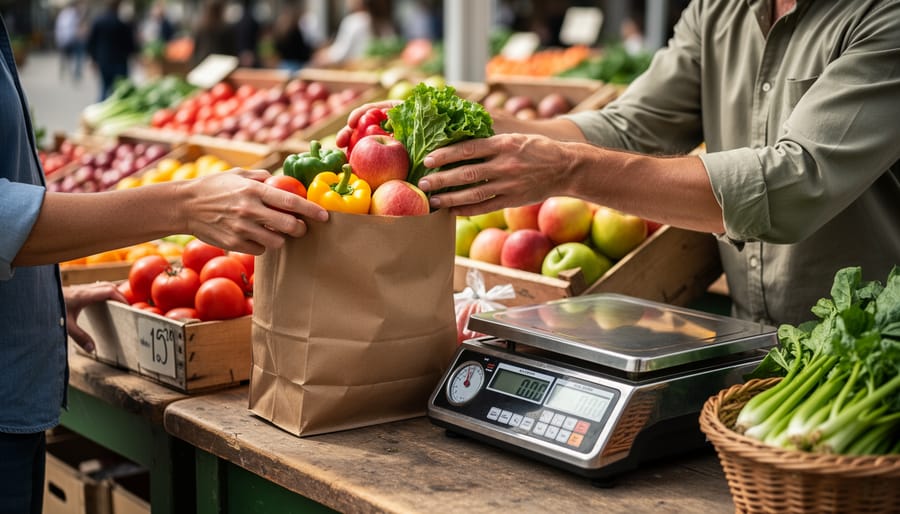
When you shop at an Ontario farmers’ market, you’re entitled to specific protections that ensure fair treatment and product quality. Vendors operating at markets are required to comply with provincial food safety regulations, including proper handling, storage, and display of perishable goods. Products must be accurately weighed and measured using certified scales, and pricing must be clearly posted or communicated before purchase.
Origin labeling matters significantly for those who choose farmers’ markets specifically to support local agriculture. In Ontario, “local” typically means grown or produced within the province, though individual markets may define their sourcing radius differently. Vendors should be transparent about where their products originate, and misrepresenting imported goods as local violates both market rules and consumer protection standards.
Refund and exchange policies vary by vendor and product type. Fresh produce is often sold as-is due to its perishable nature, but most farmers will address legitimate quality concerns, especially if you’re a regular customer. Value-added products like preserves or baked goods may have more formal return policies.
If you encounter a problem, speak directly with the vendor first. Most issues resolve quickly through conversation. For unresolved concerns, contact the market manager, whose information is typically posted at the market entrance or available through the market’s website. The Toronto Farmer’s directory includes contact details for participating markets across Ontario, making it easy to reach the right person when you need support.
Where to Find Support and Get Your Questions Answered
When you’re ready to explore farmers’ markets on a budget, several support channels can guide your shopping strategy and answer specific cost concerns.
The Toronto Farmer maintains a searchable directory of member markets across Ontario where you can filter by location, operating season, and accepted payment methods including nutrition assistance programs. If you have questions about pricing at a specific market, reach out directly to the market manager, their contact information appears on The Toronto Farmer’s market listings and most market websites. Market managers can explain vendor pricing policies, direct you to the most budget-friendly stalls, and clarify what payment options their market accepts.
For help with nutrition assistance enrollment and farmers’ market incentive programs, contact these resources:
- The Toronto Farmer member services for questions about which markets participate in nutrition programs and vendor payment policies
- Ontario Ministry of Agriculture, Food and Rural Affairs for general farmers’ market information and agricultural support contacts
- Local public health units for nutrition assistance program enrollment and farmers’ market coupon distribution in your region
- Individual market websites or social media pages for vendor lists, seasonal availability updates, and special discount days
When communicating with vendors, approach them during slower periods rather than peak Saturday morning crowds. Most farmers appreciate direct questions about bulk pricing, seconds availability, or what they recommend for budget shoppers. Building these relationships often leads to personalized cost-saving tips that no general guide can provide. Many vendors will set aside specific items if you ask in advance, making it easier to plan your budget and reduce impulse purchases that strain your wallet.
How to Apply or Complete the Process
There isn’t a formal application process required to shop at farmers’ markets in Ontario. You simply show up during market hours with cash or a payment method the vendors accept.
However, if you want to access cost-saving programs, you’ll need to take a few steps. For nutrition incentive programs like the Double Up Food Bucks initiative at participating markets, bring proof of enrollment in a qualifying assistance program when you visit the market information booth. Staff will explain how the matching funds work and provide any necessary vouchers or tokens.
If you’re interested in joining a vendor’s CSA program to lock in seasonal pricing, approach the farmer directly at their stall. They’ll explain their share options, payment schedules, and pickup arrangements. Most require a deposit or full payment upfront, with weekly pickups throughout the growing season.
For markets that accept EBT cards, locate the market manager’s booth on your first visit. They’ll walk you through their specific system, which often involves swiping your card at a central location to receive wooden tokens or vouchers you can spend with participating vendors.
The key is to ask questions directly at the market. Vendor requirements, discount eligibility, and payment systems vary by location, so the market staff and farmers themselves are your most reliable source for current procedures.
Where to Get Official Help
If you’re looking for assistance with farmers’ market shopping on a budget, several official channels can help you access programs and answer specific questions.
For Nutrition Assistance and Market Incentives:
Contact your regional public health unit to ask about nutrition incentive programs that may be available at local markets. The Ontario Ministry of Agriculture, Food and Rural Affairs maintains information about farmers’ markets across the province, though program availability varies by location and season.
For Questions About Specific Markets:
Reach out directly to individual market managers listed on market websites or social media pages. They can tell you which vendors accept which payment methods, whether discount programs operate at their location, and answer questions about vendor policies at their particular market.
For Understanding Costs and Value:
The Toronto Farmer connects market organizers with resources and can point you toward markets in your area. If you’re curious about factors that influence organic pricing specifically, market managers can often explain how their vendors approach certification and pricing decisions.
Most markets welcome newcomers and will gladly answer basic questions about shopping strategies, seasonal timing, and how to make the most of your visit.
At-a-Glance Details
Knowing when and what to buy makes all the difference in your market budget. This quick reference helps you time your visits and prioritize purchases where markets excel.
| Shopping Strategy | Best Timing | What to Prioritize |
|---|---|---|
| Peak Season Buying | Mid-summer for vegetables, early fall for apples | Tomatoes, berries, corn, stone fruit |
| End-of-Market Deals | Last 30-60 minutes before closing | Greens, herbs, baked goods |
| Bulk Purchases | Height of harvest season | Preserving tomatoes, pickling cucumbers, canning fruit |
| Year-Round Value | Any market day | Eggs, honey, maple syrup, frozen meat, root vegetables in storage |
The most consistent savings come from building relationships with vendors who’ll alert you to upcoming abundance or offer quantity discounts. Regular shoppers often learn which farmers bring seconds or preserving-grade produce at reduced prices, and which accept pre-orders that guarantee both availability and fair pricing. Seasonal abundance creates natural price drops without requiring you to wait for advertised sales, and buying directly means you’re not paying for the marketing, packaging, and distribution costs built into grocery store pricing.
Common Questions About Farmers’ Market Costs
Do organic products at farmers’ markets always cost more than conventional?
Not necessarily. Some small-scale farmers use organic practices but don’t pay for certification, allowing them to price competitively with conventional produce. Ask vendors about their growing methods rather than relying solely on labels.
How can I budget for a family when shopping at farmers’ markets?
Set a spending limit before you arrive, focus on seasonal staples that offer the best value, and consider splitting bulk purchases with friends or neighbors. Many families find they spend less overall because fresh produce lasts longer and generates less waste than supermarket equivalents.
Do farmers’ markets accept credit cards?
Acceptance varies by vendor and market. Many individual farmers still operate cash-only, though an increasing number now accept card payments or e-transfer. Call ahead or check your market’s website to confirm payment options before your visit.
Is it acceptable to negotiate prices at a farmers’ market?
Haggling over posted prices is generally discouraged, but you can ask about bulk discounts, bundle deals, or slightly imperfect produce at reduced prices. Building a regular relationship with vendors often leads to informal deals and early access to specials.
When seasonal abundance arrives, you’ll face the opposite challenge: how to use or preserve everything before it spoils. Freezing works well for berries, blanched vegetables, and herbs blended into ice cube portions. Canning and pickling extend the season for tomatoes, cucumbers, and stone fruit. Many market vendors sell preserving-grade produce specifically for this purpose, offering lower prices on larger quantities meant for batch processing. If preservation feels overwhelming, focus on what you’ll realistically use and share the rest with neighbors rather than letting it go to waste.
The key to making farmers’ markets work within any budget is treating them as part of your overall food strategy, not an all-or-nothing commitment. You might buy staple vegetables and eggs at the market while still getting pantry items elsewhere. Track what you actually spend for a month rather than relying on assumptions, and adjust your approach based on what works for your household.
So are farmers’ markets expensive? Not if you know what you’re looking for and when to shop. The real answer lies in your approach: buy what’s abundant, build relationships with vendors, and understand what you’re actually paying for. You’re not just getting produce, you’re supporting farming families who depend on direct sales, accessing food at its nutritional peak, and keeping agricultural land productive across Ontario.
The strategies we’ve covered work. Arrive late for deals. Buy seasonal produce in quantity. Ask questions. Compare thoughtfully rather than assuming grocery stores always win. Many Ontario markets now accept nutrition assistance and offer bulk pricing that changes the math entirely.
The Toronto Farmer works with markets throughout the province to make this system accessible, providing the insurance, coordination, and infrastructure that let small vendors show up affordably. When you shop at a farmers’ market, you’re participating in a food system that keeps money in your community and farmers on their land.
Your local market isn’t a luxury. It’s a practical option that rewards strategic shopping. Give it three visits with these tactics before you decide whether it fits your budget. Most shoppers find they save on some items, pay more for others, and gain value that doesn’t show up on a receipt.
0 comments on “Are Farmers’ Markets Expensive? How to Shop Smart and What You’re Really Paying For”