
Guide to a Chinatown Walking Tour: Food Stops, Practical Information, and Local Tips
A Chinatown walking tour works best as a slow, two- to three-hour loop on foot: start at the neighbourhood’s main intersection, wander seven stops covering markets, bakeries, tea shops, and street-side eateries, and finish with a sit-down meal. It’s flat, easy for most ages, and doesn’t need a guide. Wear comfortable shoes, bring a tote bag, and come hungry.
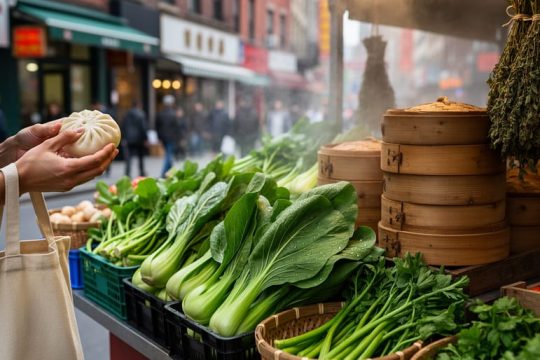
Why does it work so well? Chinatown packs a lot into a few blocks. Produce stalls spill onto the sidewalk with leafy greens, bok choy, and gai lan, many of them grown in Ontario’s own fields and greenhouses during the warmer months. Bakers pull steaming buns from the oven, and herbalists, noodle makers, and grocers keep family traditions going from one generation to the next. Walking it yourself lets you stop where something catches your eye and skip what doesn’t.
This guide lays out the route stop by stop, then covers getting there, timing, and a few local tips for eating well along the way.
Why a Chinatown Walking Tour Belongs on Your Food Calendar
Few city neighbourhoods reward a slow pace the way Chinatown does. The sidewalks are the attraction: produce displays stacked outside grocers, fish and meat counters with a steady line of regulars, bakeries turning out trays through the morning, and herb and tea shops where the shelves go floor to ceiling. Much of this is family-run, and Chinatown’s longtime businesses give the streets a history you can feel as you walk them.
There’s a farm connection too, one that surprises many visitors. Plenty of the greens on those tables, like bok choy and gai lan, are also grown by Ontario farmers, and you can read more about Asian vegetables in Ontario to see how widely they’re cultivated. A stroll here can quietly link city shoppers to the province’s fields, much like the local market businesses we love to celebrate.
How We Chose the stops ahead: we looked for walkability, a clear food focus, plenty of variety, and a good fit for first-time visitors who want an easy, welcoming introduction.
Seven Stops for a Self-Guided Chinatown Walking Tour: Top Areas and Picks
1. Spadina Avenue: The Neighbourhood’s Main Street
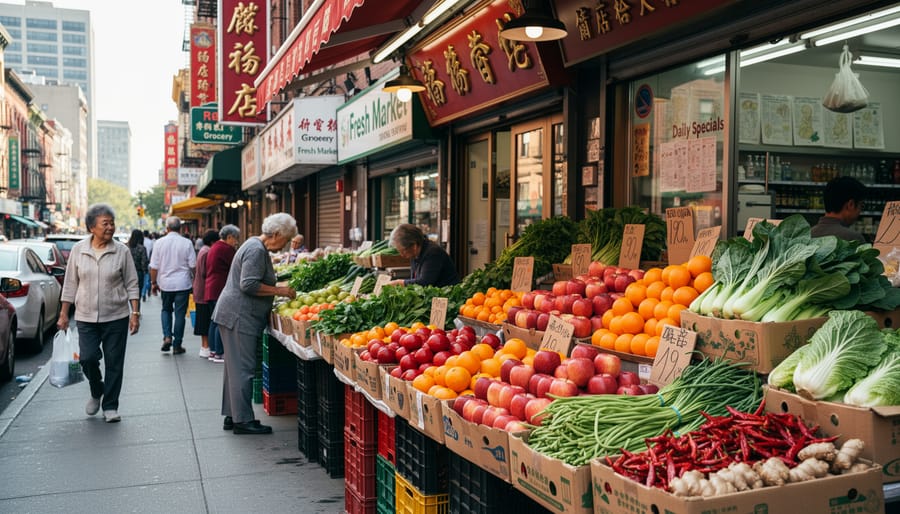
Spadina Avenue is the spine of Toronto’s Chinatown, and it’s the easiest place to begin. Stand at the corner of Dundas and look north or south, and you’ll see the whole neighbourhood in miniature: narrow storefronts packed shoulder to shoulder, awnings crowding the sidewalk, and produce tables spilling out onto the pavement.
Reading the street takes no special skill. Grocers usually announce themselves with crates of leafy greens, bundles of herbs, and piles of fruit out front. Herb and tea shops are quieter, with jars and sacks of dried roots, mushrooms, and loose leaves behind the glass. Bakeries give themselves away by smell first, and a tray of warm buns in the window is hard to miss.
Notice the rhythm, too. Shoppers move quickly, carrying bags and comparing prices, and deliveries arrive early in the day. Don’t try to rush past it all. Walk slowly, keep to the edge of the sidewalk, and let the street set your pace. A few minutes of looking will tell you more about daily food life here than any sign could.
2. Dundas Street West: Groceries, Bakeries, and Everyday Shopping

Where Spadina runs north to south, Dundas Street West cuts across it and gives the walk its everyday shopping rhythm. Independent grocers and bakeries sit close together here, so it’s easy to duck in and out of several shops in a few minutes.
Start with the produce aisles. You’ll often see bok choy, a mild, crisp leafy green with pale stems that works well in stir-fries and soups. Gai lan, sometimes called Chinese broccoli, has thick stems and slightly bitter leaves; a quick blanch and a drizzle of oyster sauce is a classic way to eat it. Daikon is a long white radish, milder than the small red ones, and it turns sweet and tender when simmered in broth or pickled.
Many of these leafy greens grow well in Ontario’s cooler weather, so during the growing season, much of what you spot may come from farms not far from the city. Check the signs or ask the staff where an item was grown.
Bakeries are the other draw. Pastry cases are usually stocked with buns, tarts, and sweet or savoury rolls, which make an easy snack for the road. Buy one or two to share, then keep walking.
Getting There, Timing, and Costs: Practical Information for Your Walk
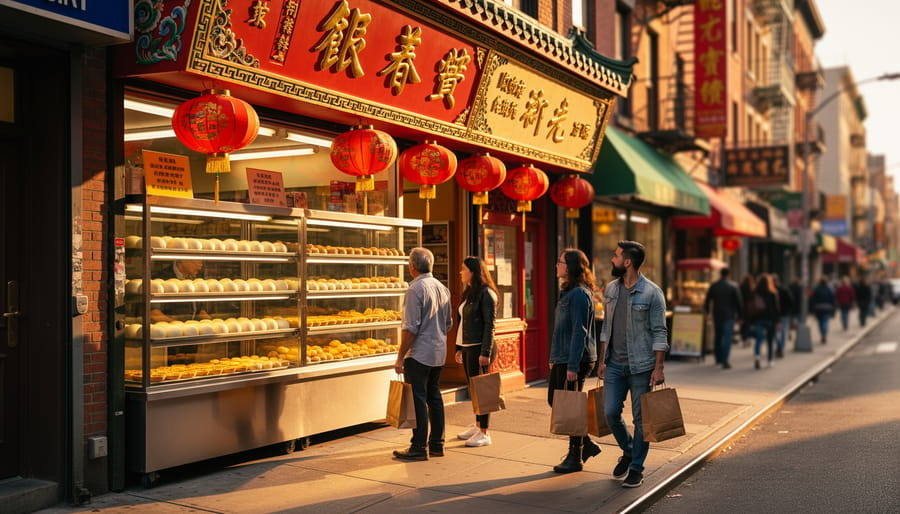
Toronto’s Chinatown sits at the centre of the city, so you have plenty of ways to reach it. The TTC streetcar and bus lines running along Spadina Avenue and Dundas Street West stop right in the neighbourhood. Riding the streetcar is half the fun, though schedules and routes change, so check the current TTC information before you head out. Cycling works well too, and plenty of walkers simply stroll over from downtown. If you plan to drive, look up current parking rules first, since street spots fill up quickly and restrictions vary by block.
Plan on two to three hours if you want to wander, browse, and stop for a snack. A relaxed pace beats a rushed one here, and you’ll want time to peek into the shops you pass. Comfortable shoes matter more than you’d think, because sidewalks get busy and you’ll be on your feet the whole way.
Weather shapes the day across Ontario’s four seasons. Summer and early fall bring the fullest sidewalk produce displays, while winter calls for warm layers and an umbrella or hat for slushy days. Walking the neighbourhood costs nothing, and food purchases tend to be modest, so it’s an easy outing on most budgets.
A few small things make the walk smoother:
- Reusable tote bags for your produce and bakery finds
- Small bills or a card, since some smaller shops prefer one over the other
- Comfortable, broken-in walking shoes
- A bottle of water, especially in warm weather
- An open mind and an appetite for something new
Pack light, stay curious, and the neighbourhood will do the rest.
Local Tips for Walking Chinatown Like a Regular
Walking Chinatown like a regular mostly comes down to pace and curiosity. Go earlier in the day if you can. The sidewalks are calmer, the produce is freshly set out, and shopkeepers have a little more time to chat. Later on, crowds can slow the pavement to a shuffle, so step aside when you want to stop and look.
Don’t be shy about asking questions. If a leafy green or root vegetable is new to you, ask how it’s usually cooked. Most shopkeepers are happy to explain, and a two-minute conversation often beats any recipe you could search for later. Buy small amounts so you can taste-test without overcommitting, then come back for more if something wins you over.
Reusable bags also fit nicely with a bit of plastic reduction on your route. As you browse, keep an eye out for Ontario-grown greens, especially in the warmer months. Pick up a few ingredients and plan a simple seasonal meal for that evening, perhaps a quick stir-fry with whatever looked best on the table.
Chinatown Walking Tour: Common Questions
How long does a Chinatown walking tour take?
Most people allow two to three hours for a relaxed loop along Spadina Avenue and Dundas Street West. Add more time if you plan to sit down for a meal or browse the shops slowly.
Is it a good walk for families and first-timers?
Yes. The route is flat, the blocks are short, and there is plenty to look at. Sidewalks can get crowded, so keep little ones close and take breaks when you need them.
What should I buy along the way?
Start small. Pick up a baked treat, a bag of fresh greens, or a few unfamiliar vegetables you can ask the shopkeeper about. If you’d like to shop smart, buy only what you’ll cook in the next day or two.
Are guided tours available?
Guided options come and go, so check local listings and community event pages before you head out. A self-guided walk works well on any day.
To connect the walk with local Ontario produce, look for leafy greens such as bok choy and gai lan during the growing season, since many are grown by farmers in the province. Ask the person behind the counter where an item came from. Then carry a few ingredients home and cook a simple meal that celebrates the season.
A Chinatown walking tour is a simple, low-cost way to taste a city’s food culture one block at a time. You leave with a bag of greens, a warm pastry, and a better sense of who feeds the neighbourhood every day.
If the walk leaves you curious about where your food comes from, take that curiosity to a farmers’ market near you. Meeting the growers directly is a great way to support local markets and the families behind them, and you can ask them how they like to cook what they grow. So lace up your comfortable shoes, bring a reusable bag, and go explore.