Experience Real Farming Life This Summer: Your Guide to Getting Dirt Under Your Nails Near Toronto
Farming life in Ontario isn’t something you only read about anymore. In 2026, getting your hands dirty and connecting with where your food comes from is easier than ever, whether you’re signing up for a Community Supported Agriculture share that delivers weekly harvest boxes to your doorstep, spending a Saturday picking strawberries at a U-pick farm an hour north of Toronto, or simply starting your weekend at a local farmers’ market where you can talk directly to the people growing your dinner.
The pull toward agricultural life has grown stronger over the past few years. Urban and suburban Ontarians are hungry for something more tangible than a grocery store transaction. They want to know the story behind their tomatoes, understand what “in season” actually means, and give their kids memories that don’t involve screens. Rural communities, in turn, have opened their gates wider, recognizing that agritourism and direct-to-consumer programs create both economic opportunity and genuine connection.
This shift isn’t about abandoning city life to buy a hundred-acre farm. It’s about finding your own level of involvement with agriculture. Some people thrive on the commitment of a CSA membership, building relationships with farmers over years of weekly pickups. Others prefer the flexibility of visiting different farm stands throughout the summer, chasing peak-season peaches in August or apple varieties in October. The options have multiplied, and Ontario’s agricultural community has made participation accessible to anyone willing to show up.
Why Ontario Families Are Trading Screen Time for Farm Time
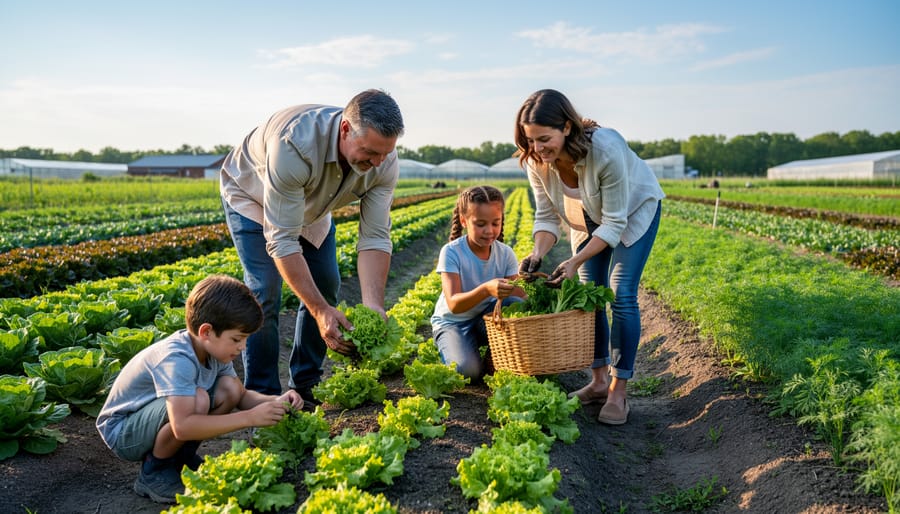
Every Saturday morning at farmers’ markets across the GTA, you’ll spot them: families with toddlers clutching reusable bags, teens actually engaged instead of scrolling, parents who drove an extra twenty minutes to buy carrots directly from the person who grew them. Something’s shifting in how Ontario families spend their weekends.
The pull toward farms isn’t nostalgia or a passing fad. Parents report that their kids who won’t touch vegetables at dinner suddenly devour snap peas they picked themselves. When children see where food actually comes from, dirt, plants, work, it changes how they think about eating. One Mississauga family started visiting berry farms three summers ago and now their eight-year-old can identify strawberry plants, knows when local asparagus is in season, and asks to visit “their farmer” at the market.
The outdoor piece matters too. Screen time averages have climbed for all age groups, and families recognize they need a reason compelling enough to get everyone outside. Harvesting your own food provides both purpose and novelty that a generic park visit lacks. There’s satisfaction in physical work that yields something tangible, something you can eat together that evening.
Supporting local economies becomes personal when you know the grower’s name. The money stays in Ontario communities, helps preserve farmland near urban areas, and keeps agricultural knowledge alive in the next generation. Families who start with a single farm visit often find themselves planning their year around harvest seasons, joining CSA programs, and building actual relationships with the people who feed them.
The farming life trend reflects a practical hunger: we want to understand our food system by participating in it, not just reading about it.
Join a CSA Program: Your Weekly Connection to the Farm
What to Expect in Your CSA Box
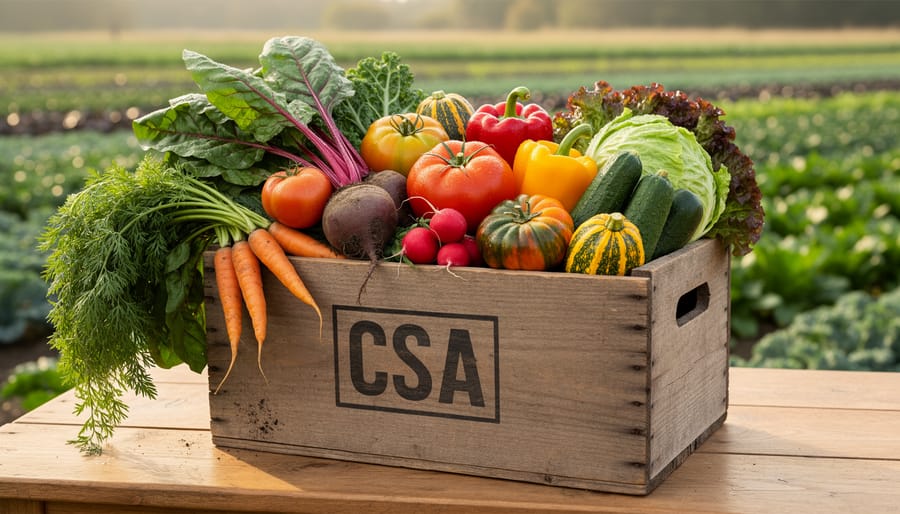
Your box will be different every week, and that’s the point. Variety changes across the season as crops peak and fade, tender greens in June, a rainbow of tomatoes in August, hardy roots and squash by October. Most programs like the 18-week season running mid-June through mid-October provide enough produce for a family of four, though quantities flex with what’s thriving that week. You might get six types of vegetables one delivery, ten the next.
The surprise element teaches you to eat with the seasons rather than against them. That kale you weren’t planning on? It’ll be the sweetest you’ve ever tasted because it was harvested yesterday morning. Because CSA members buy shares upfront, you’re invested in the farm’s success and share in both abundance and scarcity, a rainy spring means later tomatoes, but a bumper zucchini crop means learning five new ways to cook it. Many farms include a weekly email explaining what’s in your box and suggesting recipes, turning each pickup into a small cooking adventure.
Pick-Your-Own Adventures: Farming Life for a Day
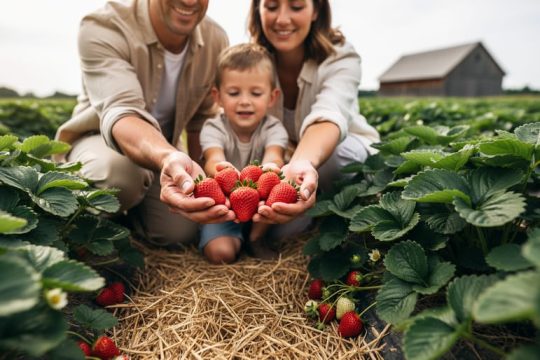
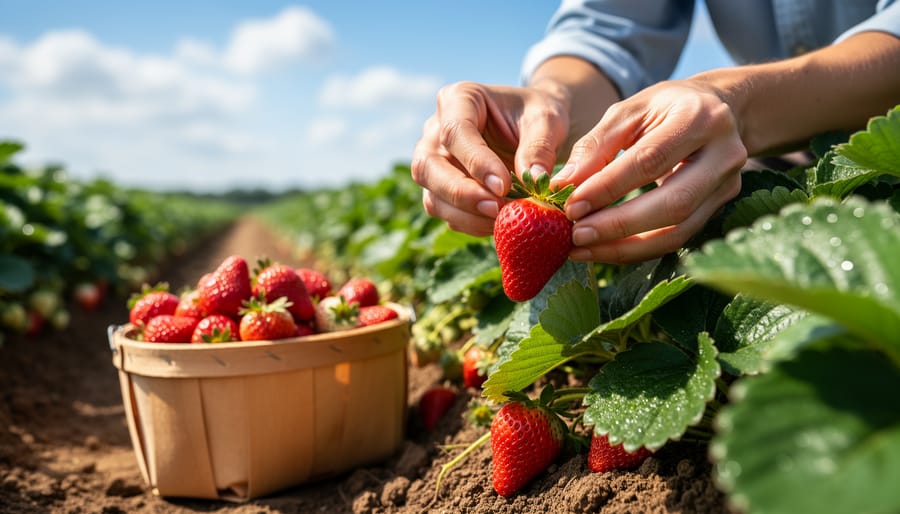
If you’ve never plucked sun-warmed strawberries straight from the plant or twisted a pumpkin free from its vine, you’re missing one of the most satisfying connections to your food. Pick-your-own farms let you step into farming life without the season-long commitment, offering a few hours of hands-on harvest that teaches kids where food actually comes from and gives adults a surprisingly meditative break from screens.
The rhythm of U-pick varies with Ontario’s growing season. Strawberries kick things off in June, followed by raspberries and blueberries through July and August. Come fall, apple orchards and pumpkin patches take over, drawing families out for what’s become an autumn tradition across the GTA. Each crop teaches you something different: strawberries hide under leaves and require a crouch-and-search approach, while pumpkins sit in plain sight, begging for that perfect Instagram shot before they become pie.
Come prepared with sun protection, closed-toe shoes that can handle dirt, and containers if the farm doesn’t provide them. Most operations give you buckets or baskets and charge by weight, though policies vary. Check the farm’s website or call ahead to confirm what’s ripe, because a late spring frost or early heat wave can shift picking windows by a week or more. The real magic happens when you taste a berry that’s never seen refrigeration or bite into an apple that was on the tree twenty minutes ago. That flavour difference, the dirt under your nails, the ache in your back from bending over rows, that’s farming life distilled into an afternoon, and it changes how you see the produce aisle forever.
Your Passport to Fresh: Mapping Ontario’s Farm Experiences
Finding your way to Ontario’s farms has never been easier thanks to the Passport to Fresh 2026 program. This free resource maps out local farm markets, pick-your-own sites, and family-friendly farm attractions across the region, connecting you directly with the farmers who grow your food. Think of it as your personal guide to the farming life experiences available within a short drive of home.
You can pick up the booklet at the York Region Food Network office at 17665 Leslie Street, Unit 19 in Newmarket. Inside, you’ll find everything from weekend U-pick destinations to ongoing farmers’ markets, complete with what’s available seasonally at each location. The guide removes the guesswork from planning farm visits, you’ll know before you go what’s ripe, what activities are offered, and how to get there.
Similar programs like the Erie Grown Passport program have shown how effective these guides are at connecting urban residents with agricultural experiences. The Passport to Fresh takes that concept and tailors it to Ontario’s unique farm landscape, helping families discover spots they might never have found otherwise. Whether you’re looking for a single Saturday strawberry-picking adventure or want to map out a summer’s worth of farm visits, this booklet puts the region’s agricultural offerings in your hands.
Beyond the Basket: Full Farm Experiences and Agritourism
For those ready to go beyond weekly produce boxes, Ontario’s agritourism sector has exploded with immersive experiences that let you spend extended time on working farms. These aren’t just tours, they’re genuine glimpses into daily farm operations.
Educational farm tours show you the complete picture. You’ll walk through fields at different stages of growth, meet the livestock that provides natural fertilizer, and understand how farmers practice whole-system agriculture where every element supports the others. Many farms now offer hands-on workshops where you learn specific skills: cheese-making with morning milk, preserving the season’s harvest, or tending heritage vegetable varieties.
Ontario farms in 2026 offer experiences including:
- Educational walking tours showing crop rotation and seasonal planting schedules
- Hands-on workshops in food preservation, cheesemaking, or heritage seed saving
- Seasonal harvest festivals celebrating specific crops as they peak
- Farm-to-table dinners served in barns or fields where ingredients were grown hours earlier
- Overnight farm stays where you wake to roosters and help with morning chores
The farm dinner trend has particularly taken off. Chefs partner with farms to create multi-course meals served outdoors, often with the farmer explaining each ingredient’s story between courses. You taste the difference when lettuce comes from fifty feet away, not fifty miles.
Some Ontario farms now offer overnight stays in renovated farmhouses or glamping setups. You participate in morning and evening chores, collect eggs for your breakfast, and experience the rhythm that shapes farming life. It’s camping with purpose, and kids remember feeding chickens long after they’ve forgotten another beach vacation.
These deeper experiences cost more than picking berries, but they deliver understanding you can’t get from a single afternoon visit.
Making Farming Life Part of Your Routine
You don’t need to overhaul your entire lifestyle to embrace farming life. Start with a Saturday morning visit to one of Toronto’s outdoor farmers’ markets. Chat with growers, ask about their practices, and pick up a few items. Once that becomes routine, explore different farmers markets across the city to discover producers whose offerings match your family’s tastes. Following our farm market tips can help you shop efficiently and build relationships with vendors.
When you’re ready for more commitment, consider joining a CSA program for the 18-week season running mid-June through mid-October. It forces you to cook creatively with what’s actually growing each week rather than defaulting to the same grocery store staples. Schedule one U-pick trip each season, strawberries in June, tomatoes in August, pumpkins in October, and turn these outings into anticipated family traditions your kids will remember years later.
Each choice redirects dollars to Ontario farmers instead of distant supply chains. You’re not just buying food; you’re participating in a regional food system that keeps farmland productive and communities connected. The more consistently you engage, the more second-nature it becomes to think seasonally and source locally.
0 comments on “Experience Real Farming Life This Summer: Your Guide to Getting Dirt Under Your Nails Near Toronto”